
A detailed list of all the necessary (and unnecessary) items you should bring for an Antarctica cruise
So, you booked an epic cruise to the 7th continent. But now you are wondering what to bring to Antarctica? Well, only recently I’ve been in your shoes, and I compiled a little list, so you don’t have to make the same mistakes I did.
General considerations – Luggage size
Your luggage will be limited by three factors. First of all, the airline will set a limit. Typically, your international airline that gets you to Argentina won’t be the issue. However, most cruise lines will then charter a flight to get you to Ushuaia. And it’s these flights that will eventually get you to the cruise port that are the big issue, because those are comparably small planes. Typically, you will be limited to one suitcase (23 kg) each, and typically only one carry-on for two passengers.
Please consider that literally everyone on that (typically booked-out) flight will wear big coats, and literally everyone will not abide by the strict carry-on rules. It’s going to be miserable, and I would recommend limiting your carry-on luggage as much as possible (except you were lucky to get one of the few business class seats). The chances that you will have to cram it all into the limited space in front of your seat are very high.
I’d rather suggest getting in contact with the airline beforehand so you can bring an additional checked suitcase. While this will typically cost extra, I do feel it’s worth it. We didn’t do that, and our flight to Ushuaia was beyond miserable. Also, we’ve seen some huge lines in Buenos Aires at the check-in because, during peak tourist season, multiple cruise ships depart each day. We had to queue for 2 hours and another hour for the security check. No fun, I can tell you.
Secondly, please consider the limited storage available in your cabin. Most average cabins aren’t very large, and there’s typically not enough space to store 4 suitcases full of clothing. Laundry service is available on most cruise ships at a reasonable price, and that would be my preferred option. While the cruise line typically handles all luggage, you are the one who has to get the suitcases to and from the luggage belt.
Thirdly, please make sure to check the current regulations for travelling to Antarctica. There are multiple items you are now allowed to bring (most foodstuffs, but also drones or tripods), and some items (like outerwear with lots of velcro) will make your life needlessly miserable because you are required to clean even the faintest traces of debris and animal matter before every landing (to prevent avian flu and invasive species).
Clothes to bring on an Antarctica cruise
Let me hammer this into you straight away: You don’t need to bring all that crap. I am not even joking when I say that two outfits will be enough.
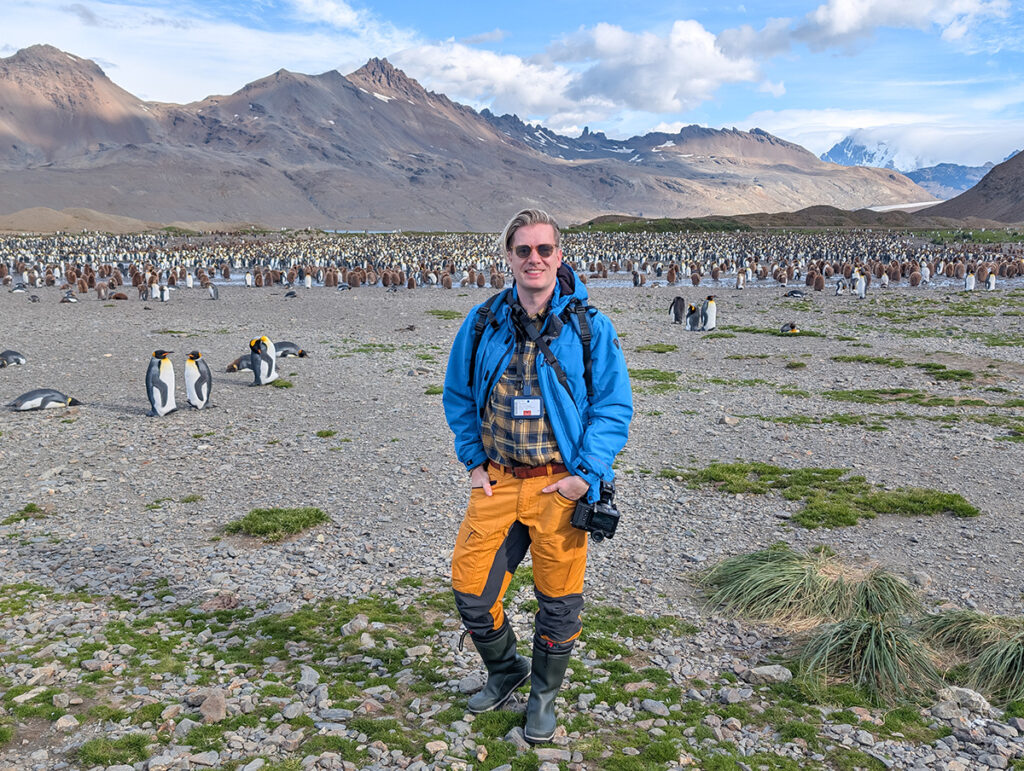
I’ve seen couples with 3 suitcases each, and I bet you a lot of money, 90% of it never got worn or made a difference where it mattered. Definitely make sure to check a climate diagram before you go. Between Mid-December and Mid-February, temperatures rarely fall below the freezing point (if ever). Your mind might tell you to prepare for the Shackleton expedition, when in reality, it’s more like visiting Washington DC in winter. Occasionally chilly and miserable in the wind, but quite pleasant on a sunny day.
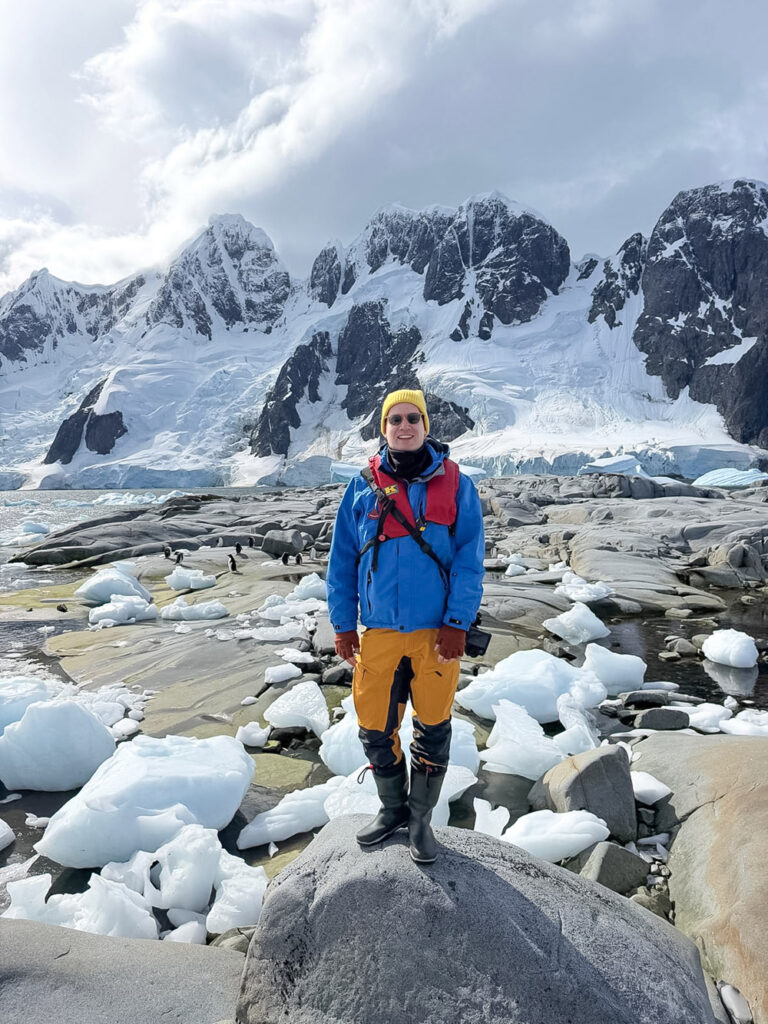
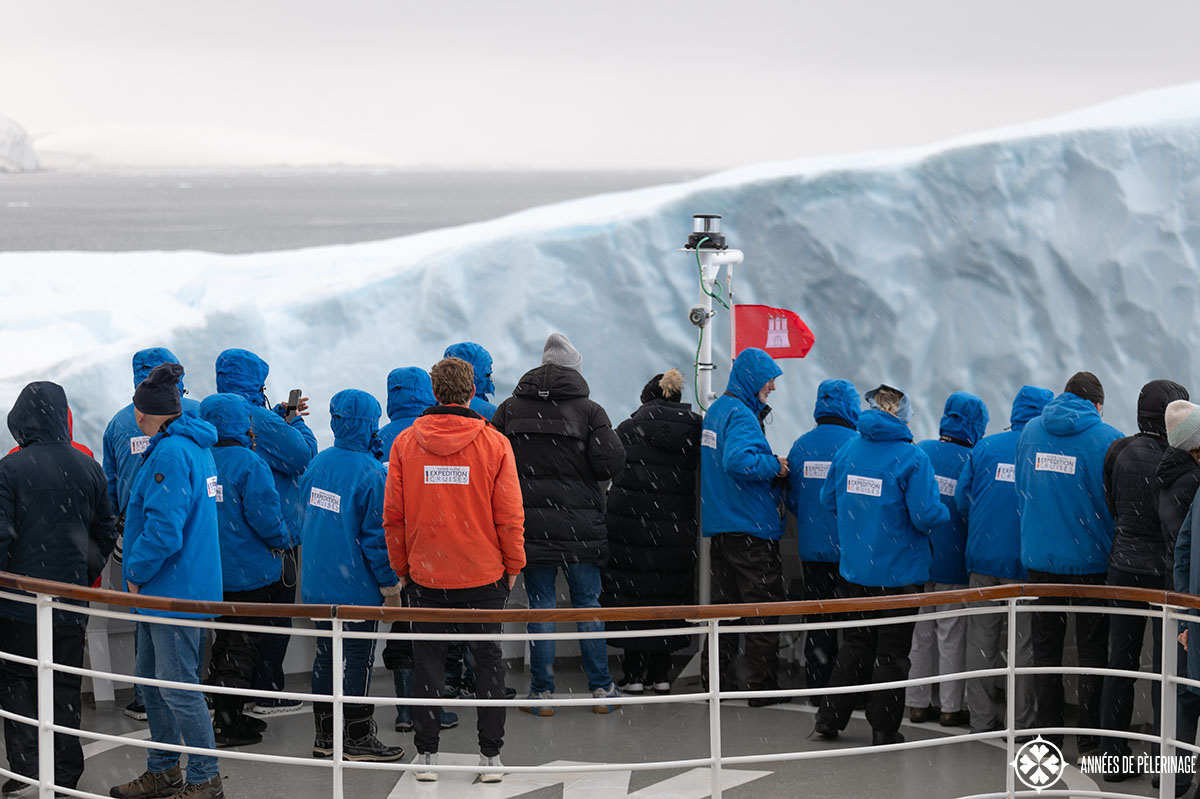
Most cruise lines will provide a parka and rubber boots (or they are available for rent; walking sticks are usually available as well). And I highly suggest making use of that offer. These parkas will be perfectly suitable for the weather conditions, and there is literally no need whatsoever to bring another coat. For two reasons, really:
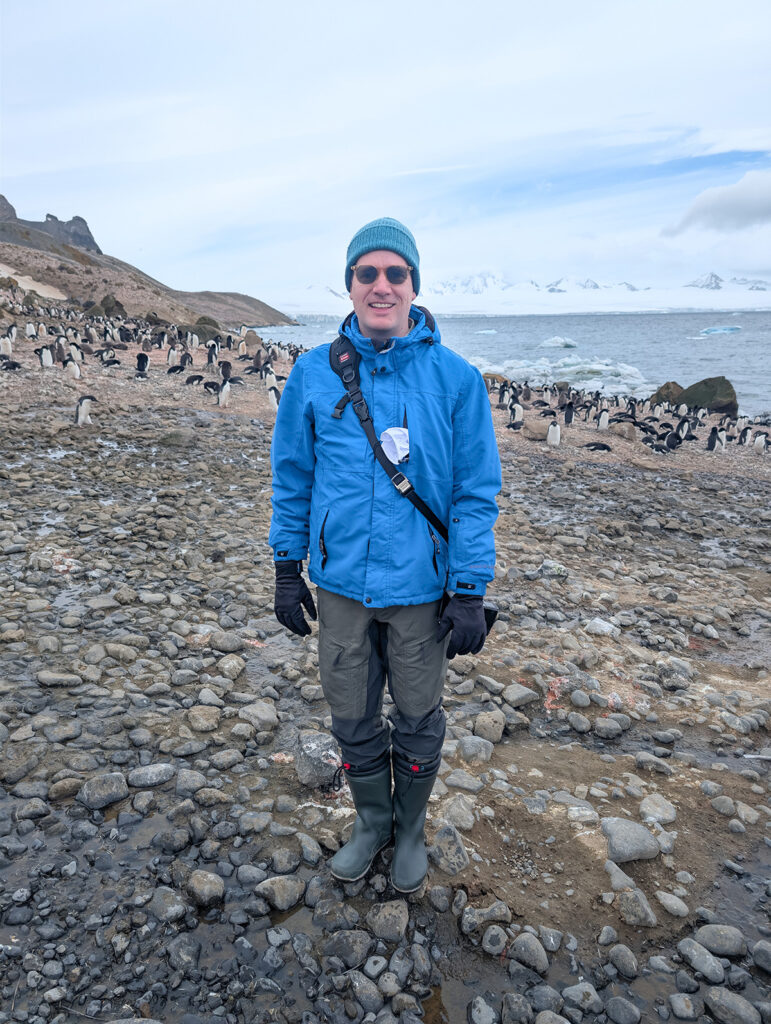
Penguin colonies stink horribly (especially later in the season). You are walking on slippery ground, and your boots will literally splash through puddles of excrement. Why would you want to soil your expensive coats with that? On top of that, I’ll argue that the pictures you shoot will actually look better when you wear a jacket that (typically) has a cruise line/Antarctica logo at the front. Besides, this is not the Paris fashion week, and literally everyone else is wearing the same. You will actually stick out if you don’t, and often, I had the impression, not in a good way. On top of that, you WILL be required (by law!) to clean those jackets frequently, and if it has too much Velcro, it will be quite a nuisance.
On the promenade deck of the cruise ship, there are three kinds of scenarios: Either the weather is splendid, then a cardigan or a light jacket might be enough. When it’s overcast and windy, your cruise ship parka will be perfect. And on those unlucky days when the waves hit 12 meters during the Drake Passage, you don’t want to be on deck to begin with.
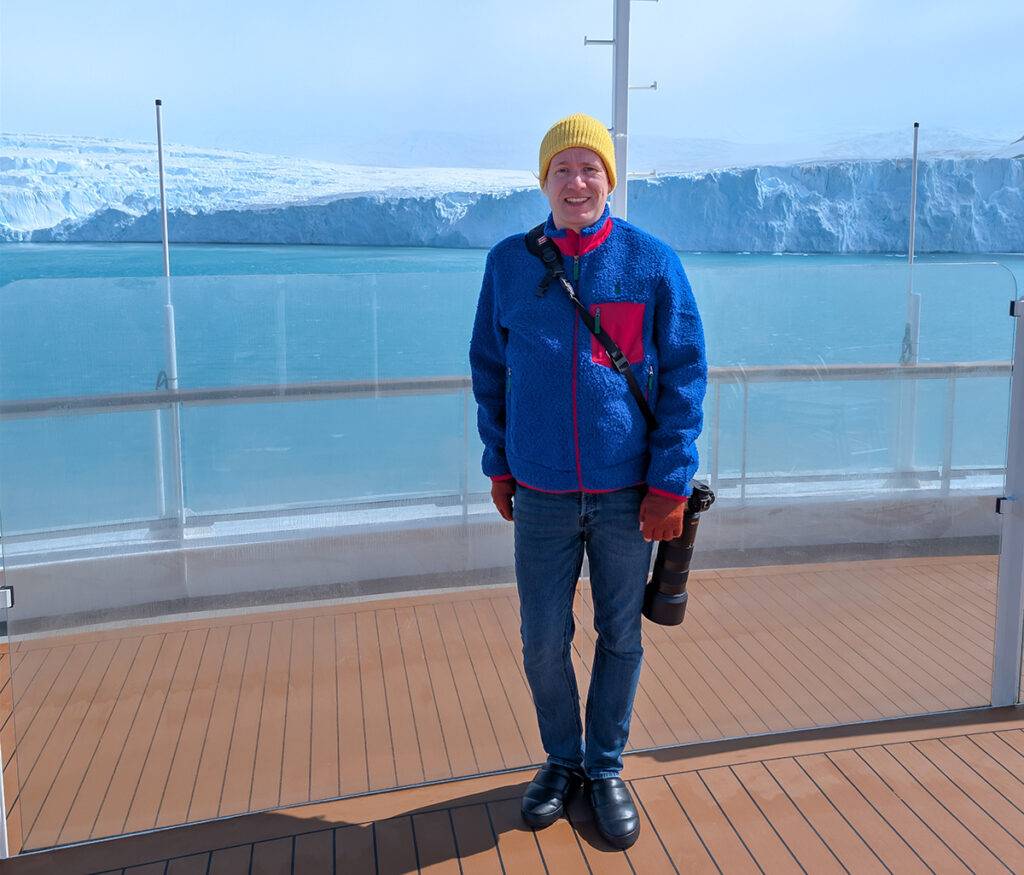
In forums, I’ve read how many people suggested thinking in layers. Personally, I’d say that advice is overrated. I might not be someone who freezes very easily, but on 20 out of 22 days on the cruise ship, I was perfectly fine with one layer below my parka only. You will be walking around quite a bit over uneven terrain (often climbing hills). Depending on your fitness, that can be mildly exhausting. Too many layers and you will sweat, and that’s actually a lot more dangerous than being slightly cold because sweat and chilly wind is a recipe for disaster.
I would focus 80% of my packing energy on figuring out what to wear ON the ship and not during the excursions. Incidentally, this is also where you will spend almost all of your time anyway.
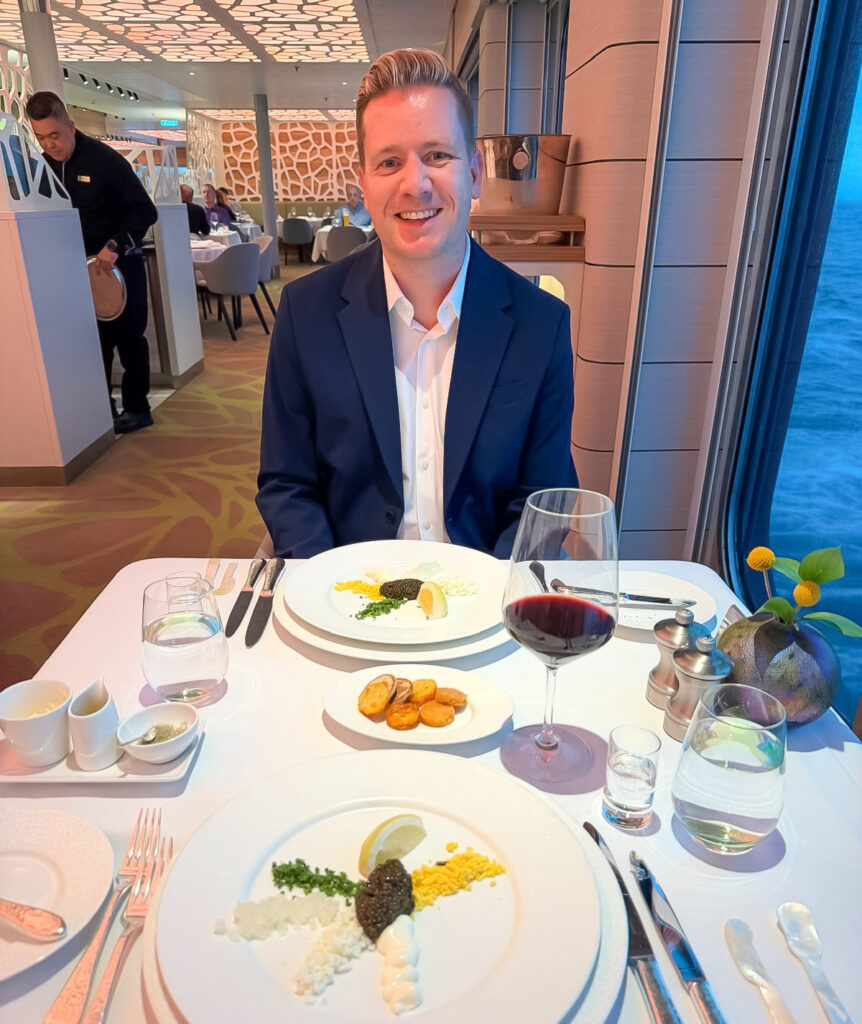
Here’s what I suggest bringing for a (high season) cruise to Antarctica:
- 1 all-weather jacket. This will be useful in Ushuaia and on deck. Your cruise line parka might be wet after an excursion, and it’s good to have one spare to use for the promenade deck.
- 1 fleece jacket. On sunny days, these can be the perfect thing to wear around the deck, while they can also keep you warm around the ship as a second layer on a chilly day. Theoretically speaking, you could also wear them underneath your parka, but that will only be required on particularly miserable days. I brought two, and my experience wouldn’t really have been worse if I had taken none. But I would probably pack it again. If you go early in the season, I would say it’s required.
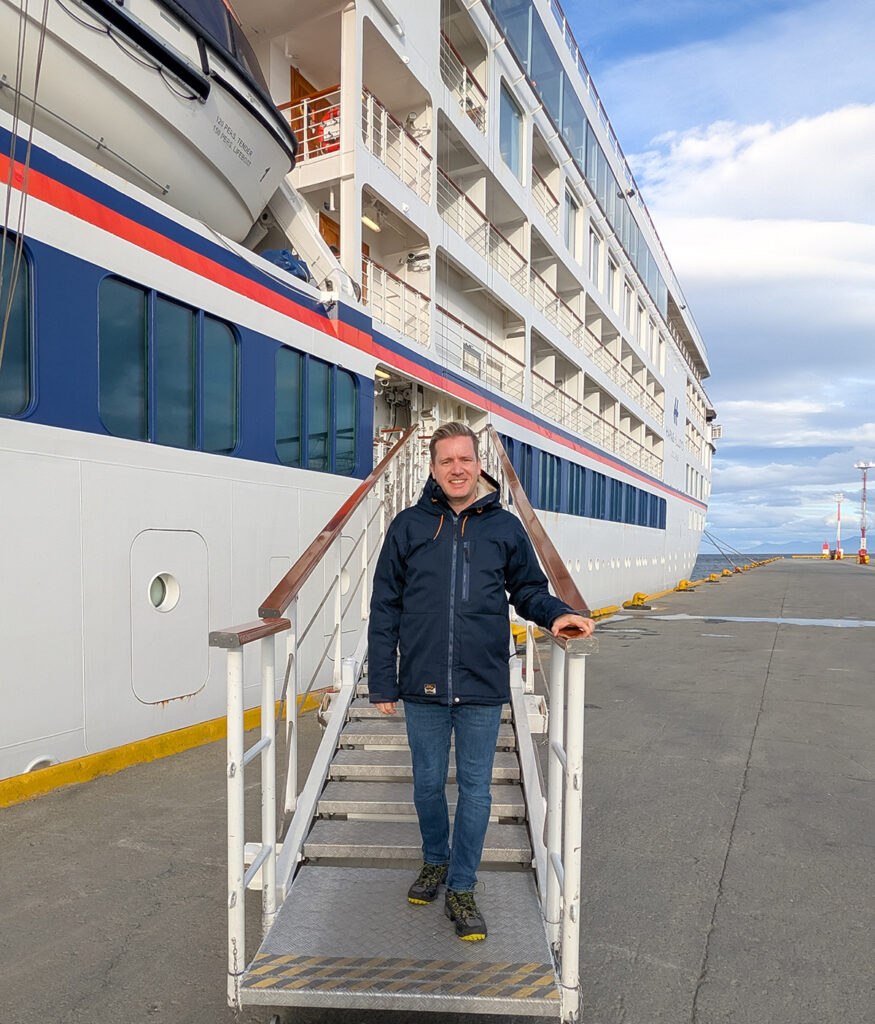
- 2 sturdy, water-repellent hiking trousers. Realistically speaking, 90% of your excursions will take place under pleasant conditions. This means temperatures are between 0 and 10° Celsius and anything between bright sunlight and a light drizzle. For reference, I got the Lundhags Makke Pro MS Pants, and I was beyond happy with them.
- 1 pair of waterproof over trousers. I needed them once on my entire cruise (and we had a lot of bad weather). Usually, bad weather coincides with conditions not being suitable for a landing. 95% of your landings will be wet landings, but your rubber boots will be enough to keep you dry. Under normal conditions, there will be a bit of splash water on the zodiac, but nothing so dramatic that you actually need over trousers. In most cases, they will make you feel miserable on land because they are just too warm and not breathable enough. I needed them for two zodiac cruises when it was rainy with medium-high waves. Those were quite miserable, and many passengers said they wished they hadn’t gone on that particular excursion.
- 1 pair of long johns. Again, this is an item I only wore once. We never saw freezing temperatures. I only needed them on that aforementioned miserable zodiac cruise through a downpour. Still, I’d bring one pair.
- 3 pairs of pants. Wear them to dinner/lunch; pick one that is maybe a bit more formal for those special kinds of occasions.
- 2 pair or warm hiking socks. The provided rubber boats will typically be quite comfortable, and the sole will actually be well insulated. Still, it pays off to have one extra layer to keep you warm and your feet from chafing. You can wash them mid-cruise, but since most excursions are actually very short, you can definitely wear them more than twice without worries.
- Normal underwear and socks as you see fit. I didn’t bring any thermal underwear and don’t see how this was needed.
- (optional) bathing suite. For the polar plunge, but more likely for the pool/sauna on the ship.
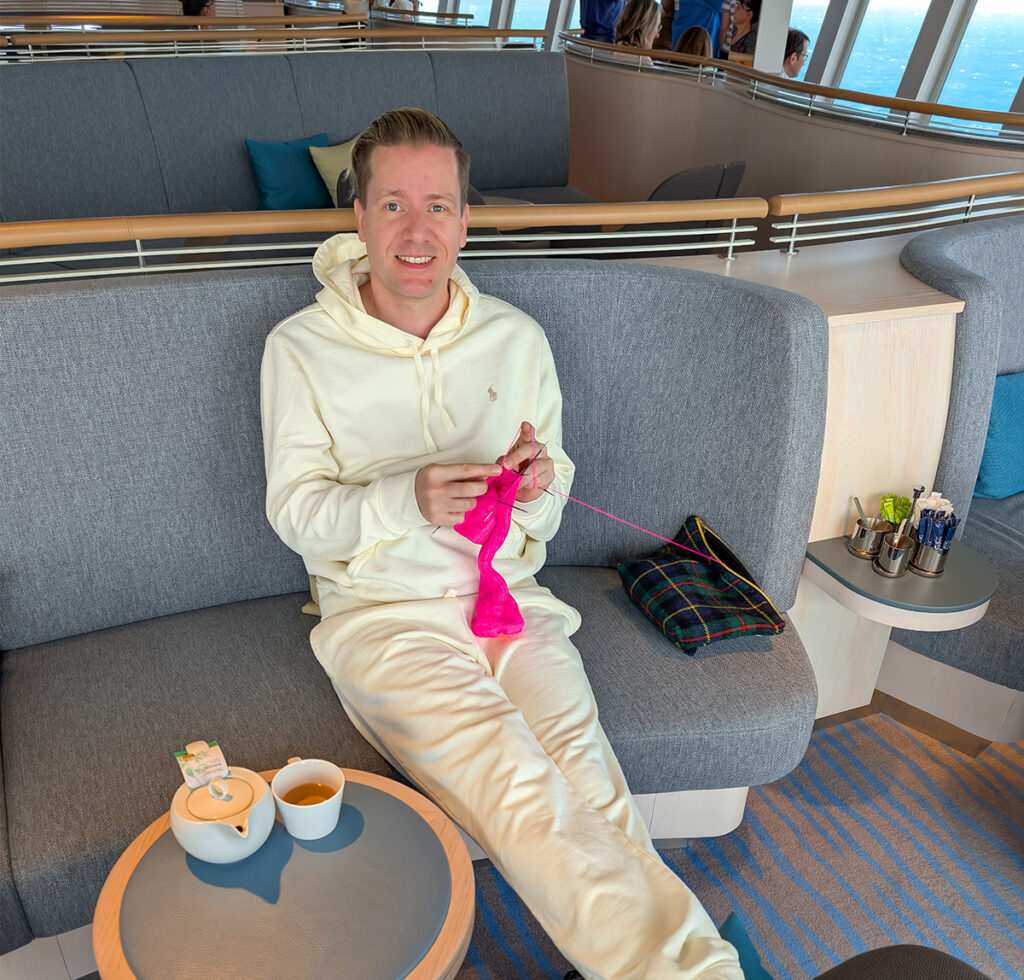
- 2-3 long-sleeve t-shirts or hiking shirts. The biggest question for you will be deciding on what you wear underneath the cruise line parka. Typically, they are lined and warm as is. While I packed more, I wore my merino long sleeves and flannel hiking shirts the most. I never needed an additional layer, and sometimes also just wore a merino t-shirt underneath.
- 2-3 sweaters. These are the perfect extra layer for lunch or dinner. Most cruise ships are actually very warm, but it will still make you feel cozy after a long day on shore.
- 4-5 shirts/blouses. While I wouldn’t say our cruise was formal, I’d say that 90% of all passengers arrived at dinner looking quite elegant. Breakfast and lunch were always a mixed bag (especially between excursions), but dinner was typically a much more elaborate affair.
- 1 dinner jacket/blazer. This will entirely depend on your cruise line. Do remember that the age structure on most Antarctica cruise lines is quite high, and most elderly folks will dress a bit more on the smarter side. Typically, it’s quite casual, but during the captain’s dinner or the welcome cocktail hour, I still felt more comfortable being dressed up a bit. You won’t need a tailcoat or ties or an evening gown, but just something to look presentable.
- 1-2 comfortable sweat suits. Whether it was at breakfast, enjoying the observation lounge, or reading a bit in our cabin, I would actually say the item I wore most on the cruise was my sweat suits. Pick something that looks maybe a little bit more on the smarter side, but this would be my big tip for you: Bring some clothes you feel comfortable in.
- T-shirts as you see fit. It’s a good second layer to wear underneath your sweaters or in your room (which tend to be quite warm).
Accessories
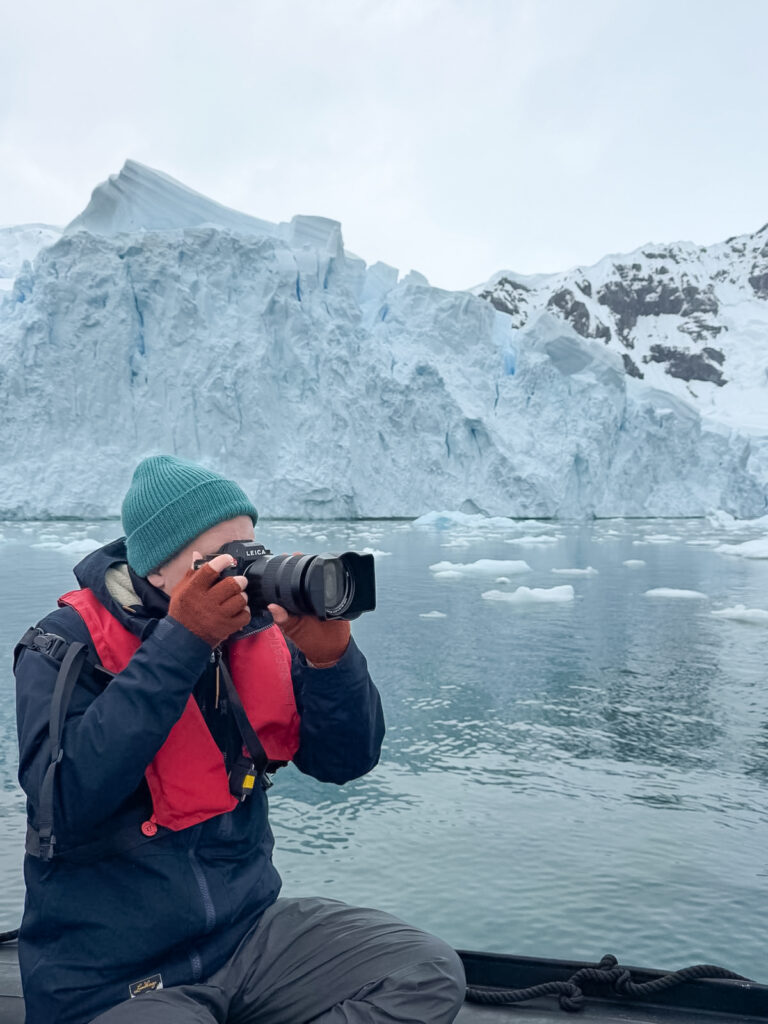
- 1 pair of waterproof gloves. These are mostly needed for your zodiac rides. Don’t pick the warmest one you can find. Those will just be cumbersome. There are ropes all around the zodiac, and this is the only place you can cling to. Incidentally, this is also the only place that is guaranteed to get splashed.
- Fingerless gloves. It’s actually not very cold most of the time. The wind is a different issue. Still, 90% of your time on land will typically be spent taking pictures so full gloves will get in the way. I’d say this is actually the most important accessory to pack. I typically had them in the pockets of my parka and changed them as soon as we were on land.
- 1-2 hats. It will be windy 9 out of 10 days in Antarctica. While your parka typically comes with a hood, a hat will add a second layer you will not regret. Pick something that covers your ears and not a baseball cap or so.
- 1 Balaklava. Perfect to keep the wind away on a rough Zodiac ride or on a windy day on deck. I’d recommend one that is a bit thicker than just one layer of cotton fabric.
- 1-2 pairs of good sunglasses. While you definitely shouldn’t expect your whole trip to be sunny, it can be glaringly light occasionally because basically everything around you reflects the water. I’d definitely bring a spare because the surroundings are rough, and it’s actually somewhat easy to lose it on a zodiac ride or sit on it because you forgot it in your pocket.
- A waterproof camera bag or backpack. I’d get something you can easily sling around your neck for easy access. Normally, you actually won’t need it, but when you have to sit at the front of your zodiac, and the waves are a bit higher, there is always splashing water. Also, weather conditions on land can literally change within five minutes, and then it’s good to have something to protect your camera.
If you do not plan to bring any camera equipment, you will NOT need a backpack for the excursions. You are not allowed to bring any food on land, and you are not even really allowed to put it on the floor. It’ll just be in your way, and your parka has some pockets for smaller items you might need. - (optional) Walking sticks. Most cruise lines provide them or offer them for rent. I’d take them up on their offer and not bring my own. Please bear in mind that all landings WILL be wet landings, and these sticks will constantly be in your way to and from the shore. I would only bring them if you absolutely need to rely on them. Under normal circumstances, you are not going on any real hikes at all. Think about going for an hour-long walk through your average scenic state park. There’s rain, some slippery stones, and some boulders you need to cross. If you need walking sticks for that, then bring some.
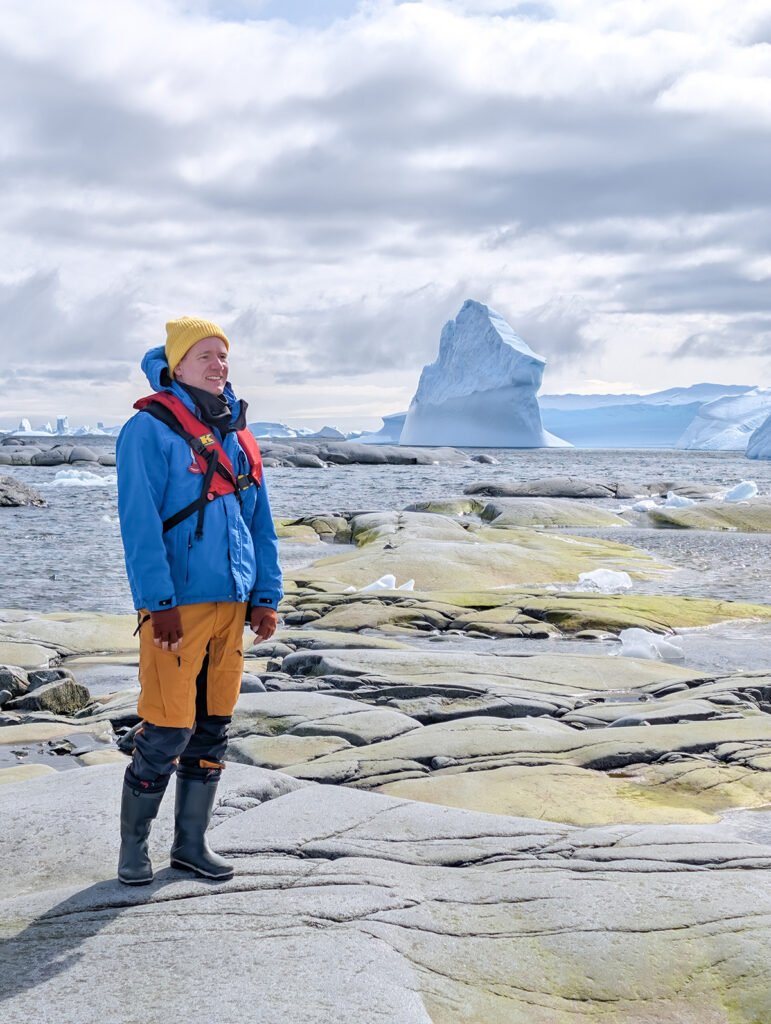
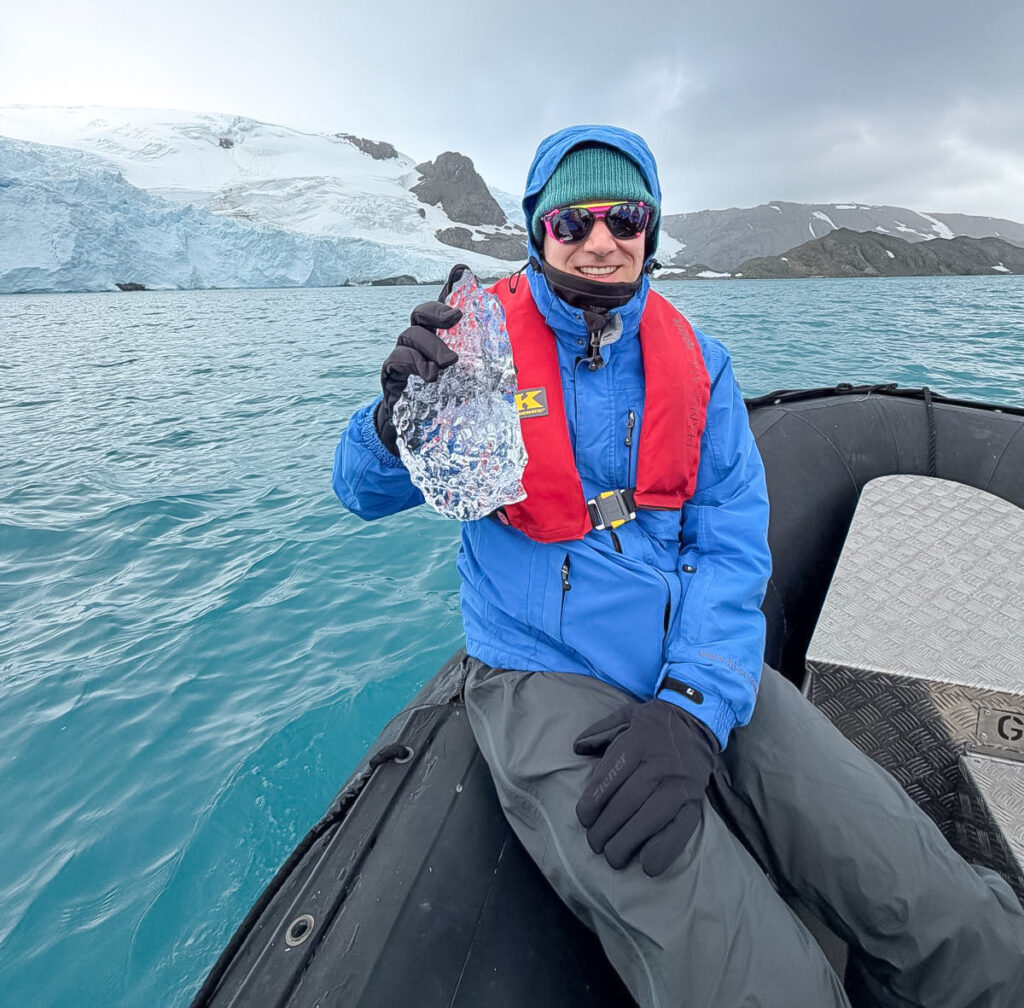
Our cruise was 22 days long (in January), and there was a single occasion when we had to walk on ice. I was never even remotely in any situation where I wished I had them. I tried to scatter a lot of pictures from a lot of different excursions from my cruise throughout this post. Take a close look at the terrain, and I’m sure you can come to your own decision.

Shoes
- Mountain trainers/walking shoes. The deck can (and will) be slippery. So bring something with a good grip and well-insulated soles that can keep you warm. I personally don’t think proper boots are strictly necessary. Again, it’s not that cold, and you WON’T be wearing them on shore anyway (due to the wet landings). Pick something you are comfortable wearing on the plane and something to wear while you explore Ushuaia. One pair is enough.
- House shoes!!! Depending on the size of your cabin, you will be lounging around in the public areas of the ship most days. Bring something you feel comfortable in. Also, remember that you need something to get to and from the wet room where you put on your rubber boots before excursions. You will be wearing thick socks, and you probably don’t want to do your laces either.
- Dress shoes. For us and our cruise, dinner service was a bit more elaborate. While I don’t think anyone would have cared if you showed up in trainers, almost all passengers wore leather shoes in the evening. One pair is enough, if you ask me.
- (Optional) Flip-flops/slippers. Most cabins come with disposable slippers, but those are typically not ideal for walking to the spa/pool area and across wet surfaces. Again, remember that it can be 10°C and sunny. I actually spent quite some time in the whirlpool of our ship.
- (Optional) Sandals/light trainers. If you spend time in Buenos Aires, do remember that it will be summer in the city when you arrive.
- (optional) Insole foot warmers. If you are someone who freezes easily, then you might want to bring two or three heat patches for your shoes. They really make a difference on those cold days. I didn’t need mine, but my dad hates having cold feet and ended up using the ones I brought as well.
- (optional) outdoor seat pads. Zodiac rides are actually less scary than you might think, despite the wet landings. However, absolutely count on the rim (aka where you sit) of the zodiac to be wet. Even the best waterproof fabric will soak through if you are sitting on a wet and cold patch of rubber for 90 minutes as you cruise along a glacier or a cliff full of penguins. I wish I had brought one of these little sitting pads I could put underneath (note: you are NOT allowed to sit on shore).

Toiletries and medicine
Now, I’m only going to mention the special items you need to bring. I am reasonably sure you know what you need to bring for your morning and evening routine, and you don’t need me to tell you to bring a razor or a toothbrush.
- Sunscreen and lip balm with a high SPF. Realistically speaking, only your face will be exposed to the sun, but the sun can be quite ruthless.
- Good motion sickness patches. Most people focus on the Drake Passage, but the sea can be rough around the Antarctic Peninsula as well. Plan for at least 3-4 rough days where home remedies won’t cut it. Yes, dried ginger or ginger capsules can be a lovely addition, but when the swells splash beyond the bow, you need some serious help. For me, Scopolamine was the only thing that worked reasonably well. Definitely consult your doctor because it has quite a few nasty side effects for me (but still better than without it). The first week, half of our ship couldn’t attend dinner service because the ocean was so horrible, and they only brought weak motion sickness pills. Now, some people will tell you there was not a single big wave in sight during their whole trip. Count yourself lucky if that happens, but be prepared for the absolutely worst.
- Hand lotion. One of the most important rules on a cruise ship is to wash your hands literally every time you touch any surface. On top of that, the air is super dry and windy. Bring a moisturizer that works well for the cold (so not 100% water based).
- Remember to stock your travel pill box. Motion sickness is not your only worry on a cruise. It’s easy to catch a cold or even the flu, so be prepared (and remember to wash your hands at all times)
Last things to consider
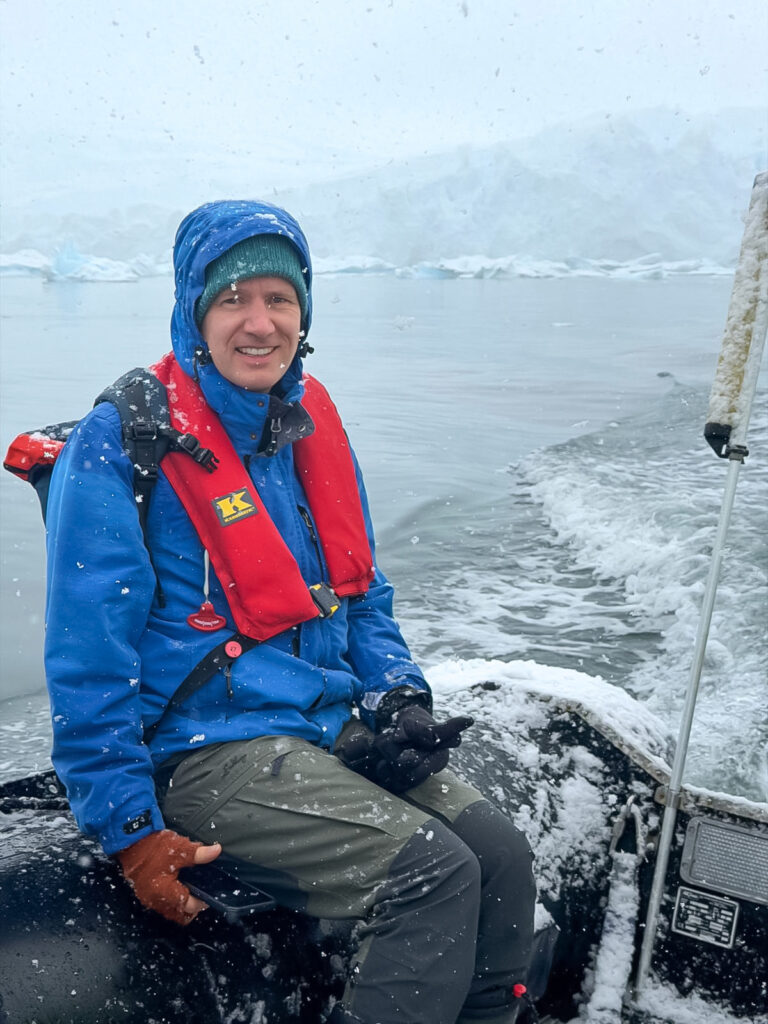
I don’t think I can hammer this into you often enough: Pack for a transatlantic crossing in October and not for an expedition to the South Pole in 1895.
Seriously, for the excursions, you basically just need a good warm long-sleeve t-shirt, some water-repellent hiking trousers, light gloves, a hat, your parka, the provided rubber boots and some sunglasses. And if you go on a short cruise, you will be perfectly fine with wearing the same outfit every day. Please remember that your excursions are typically 1 to 2 hours at most. While you can use the laundry service, I personally like to bring some spares, but you really will need less than you think.
Most people I talked to brought a lot and only ended up using a few of those items. I brought so many layers and realized that, with the exceptions being cruises early in the season, I only really needed one. Even on the coldest, windiest, wettest day, I was fine with my hiking shirt underneath my parka. One quite some days, even that was too warm when we had to hike up a small hill.
I think most people overpack because this will be the trip of their lifetime, it was outrageously expensive, and they literally have no personal or second-hand experience (like from relatives or friends). And this creates an unhealthy knowledge vacuum where you tend to overpack the way you pack too many underwear “just in case I soil myself!”, when you absolutely know that this hasn’t happened once in the past 20 years.
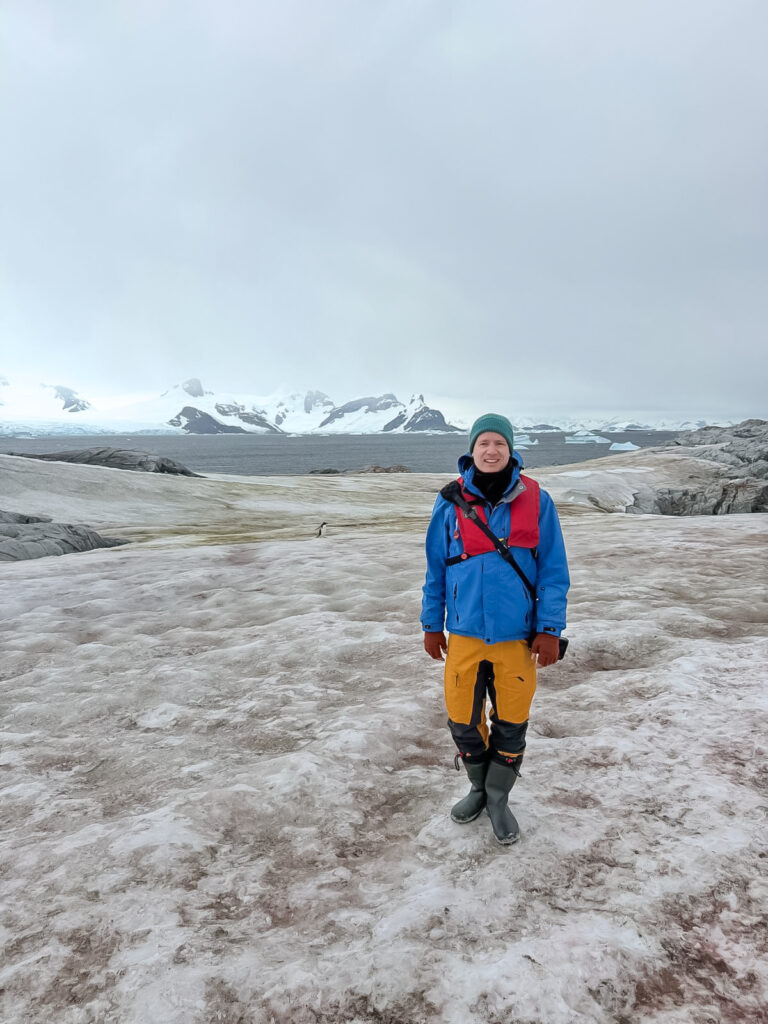
Ironically, you should worry more about what you wear on the cruise ship than on shore. It may be called an Antarctica cruise, but most of the time you are on the ship. There are typically many days at sea as well (except you opt for a “fly the Drake option” but I’d be careful with those regardless), so you need outfits to get you through the day. Something comfortable for the day and something a bit more chic for the evening.
Do keep in mind that an Antarctica cruise is typically prohibitively expensive and takes a long time. This typically attracts a certain kind of clientele that typically doesn’t run around in yoga pants and grey sweatpants all day. It’s safe to assume that everybody will dress quite a bit on the sporty side but still smart. So plan accordingly.
Also, plan for tons of downtime. Most ships (those with < 200 passengers but above 100) operate their excursions in shifts. E.g., the first group will go to shore between 9 am and 10:30 am. And the second group will be able to explore the landing site from 10:30 to 12:00 am. And the same in the afternoon. There’s a lot of waiting involved and, of course, you need to account for those days at sea.
While most Antarctica cruises offer some enrichment talks, there is typically precious little else to do on the ship. There typically is no casino, water slide, or big theatrical productions. If you are lucky, there is a small spa with a sauna, a small whirlpool (that will be out of service when the sea is rough), and massages to be booked. And in the evening, there might be a cocktail hour with someone at the piano. And that’s it.
Weather permitting, it’s awesome to stand at the bow of the ship and marvel at the landscape. But there’s still a lot of downtime. So bring something to read, to listen to, to watch, or games to play. You can keep a journal, use the time to edit the pictures from the previous day, but do come up with a plan. And do NOT count on having internet access 24/7. Setting aside that it will be expensive, the reception is not always quite perfect.
All in all, and as long as you don’t have any special needs, you go very early in the season, or you booked a 30-day circumnavigation itinerary, you probably overpacked if you need more than one standard 23 kg suitcase and a carry-on. It might be the trip of a lifetime but at the end of day, and as far as packing is concerned, this is just your average expedition cruise to a somewhat chilly region.