

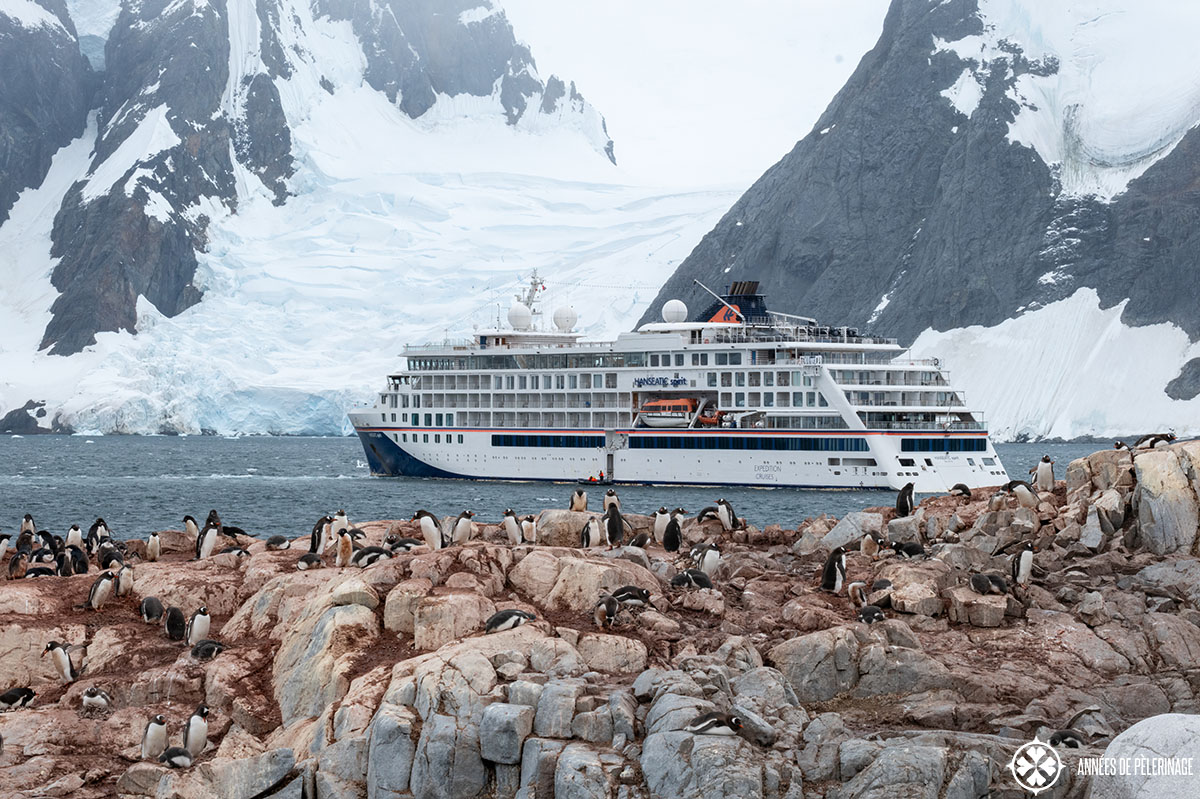
As of now, Antarctica can only be reasonably reached via a cruise. While there are many different options, they all have one thing in common: They are ultra pricey, and, unless you are already living in Argentina, it’s very inconvenient to reach the port. So, I’m sure you came here precisely because you are currently wondering if spending that insane amount of money and time truly makes sense. Is Antarctica, as a whole, worth it?
Let’s take a look!
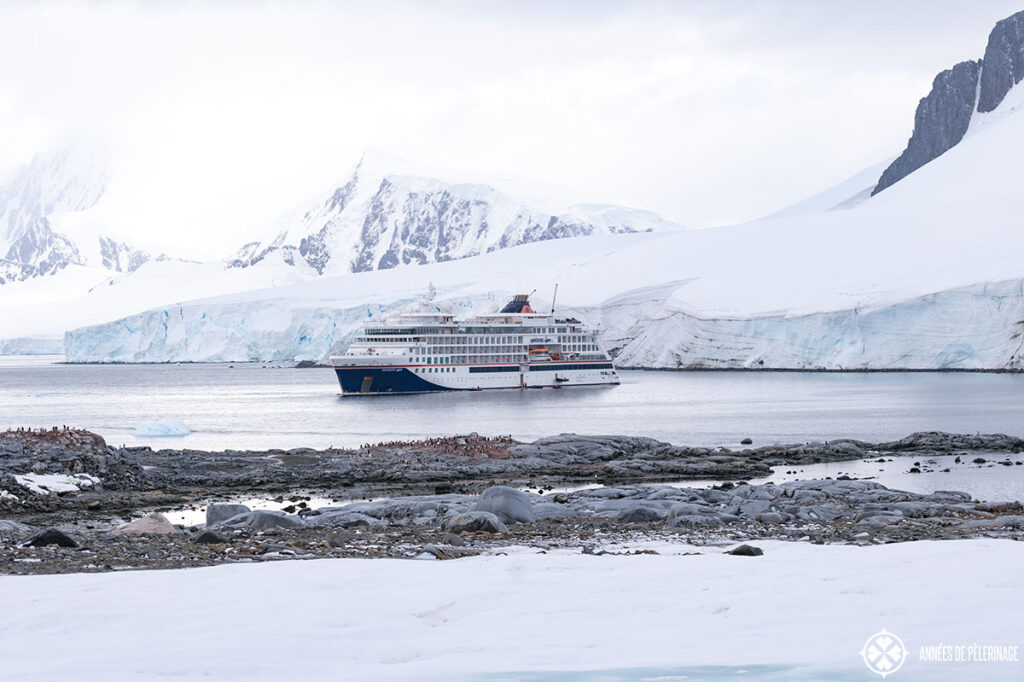
What to expect in Antarctica
The seventh continent is famously difficult to reach, and there is a reason why it remains one of the least explored places on our planet. As a result, you get to see landscapes and wildlife you cannot see anywhere else.
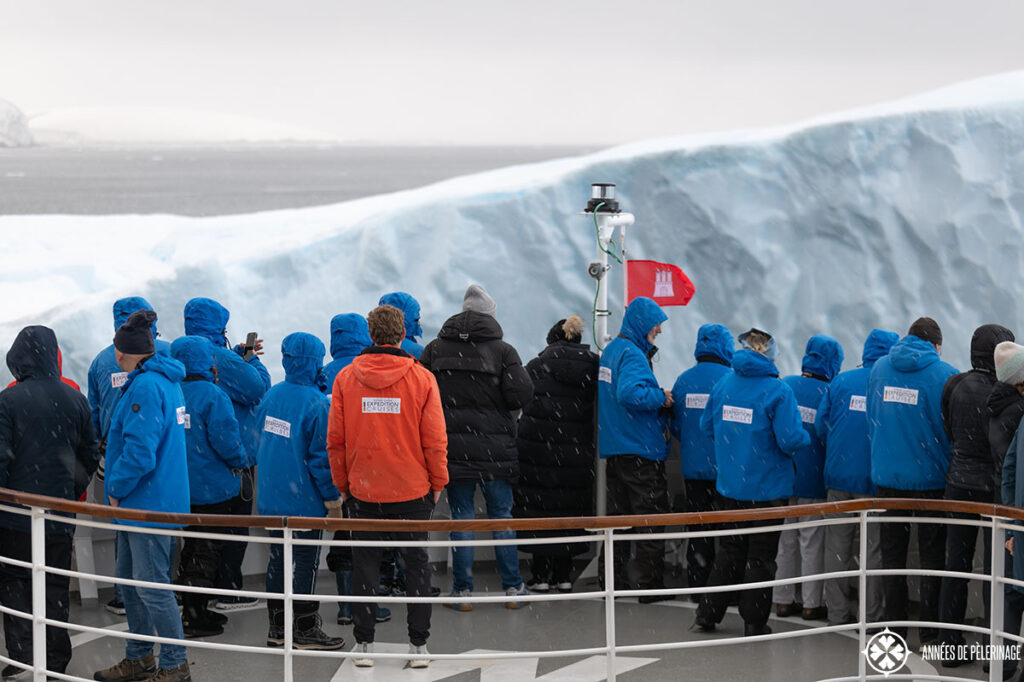
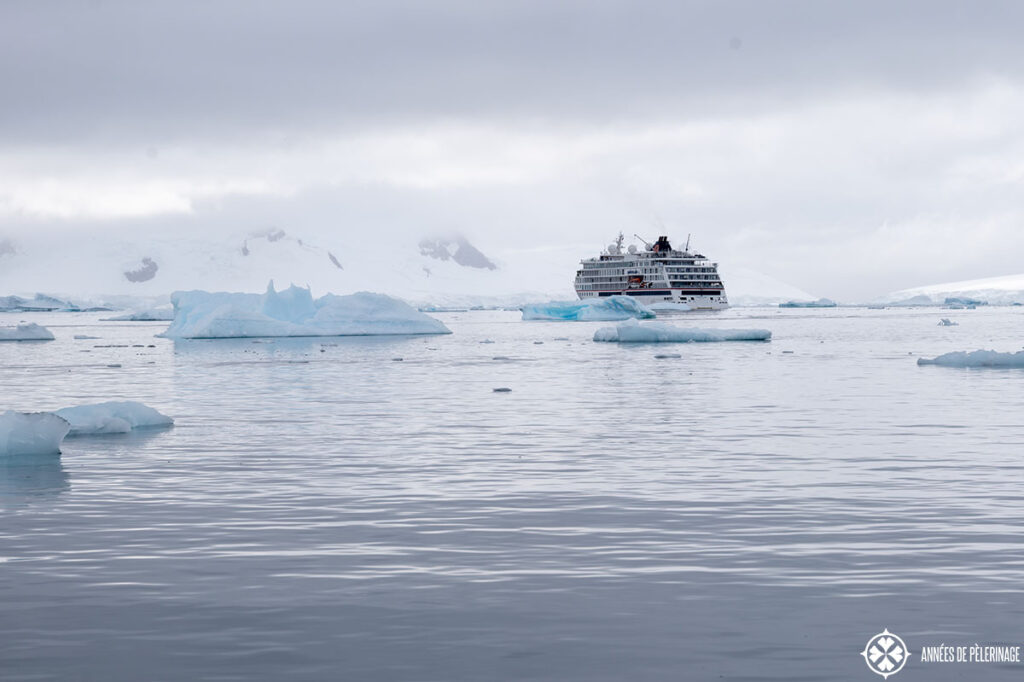
This alone is truly magical. When you stand at the bow of your expedition ship and watch it plow through the endless mass of pack ice and icebergs, you truly feel a bit like those early explorers.
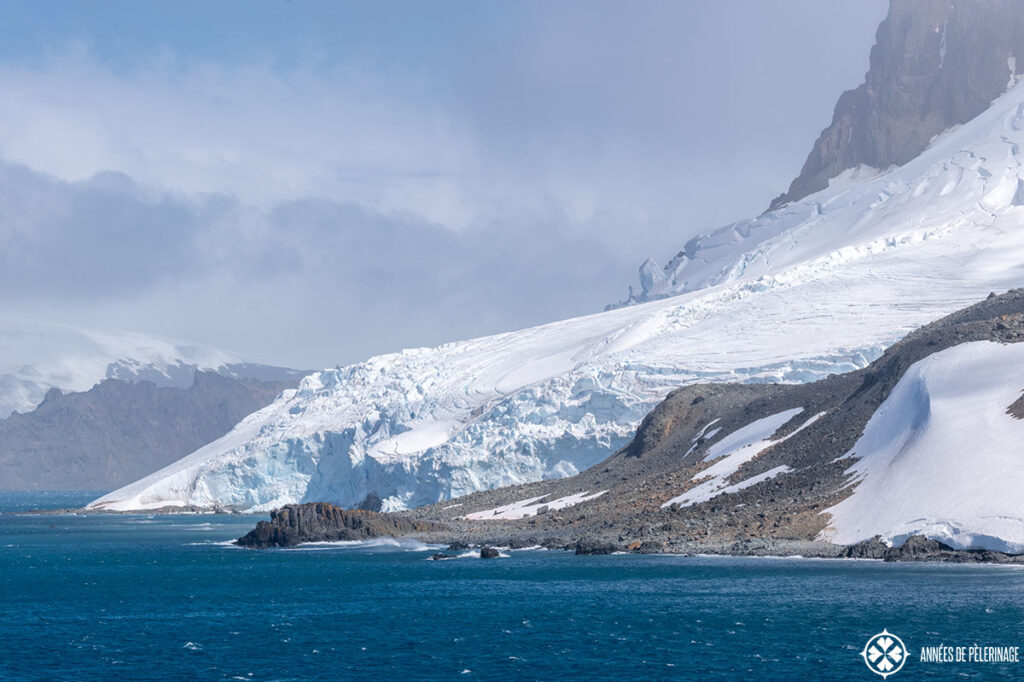
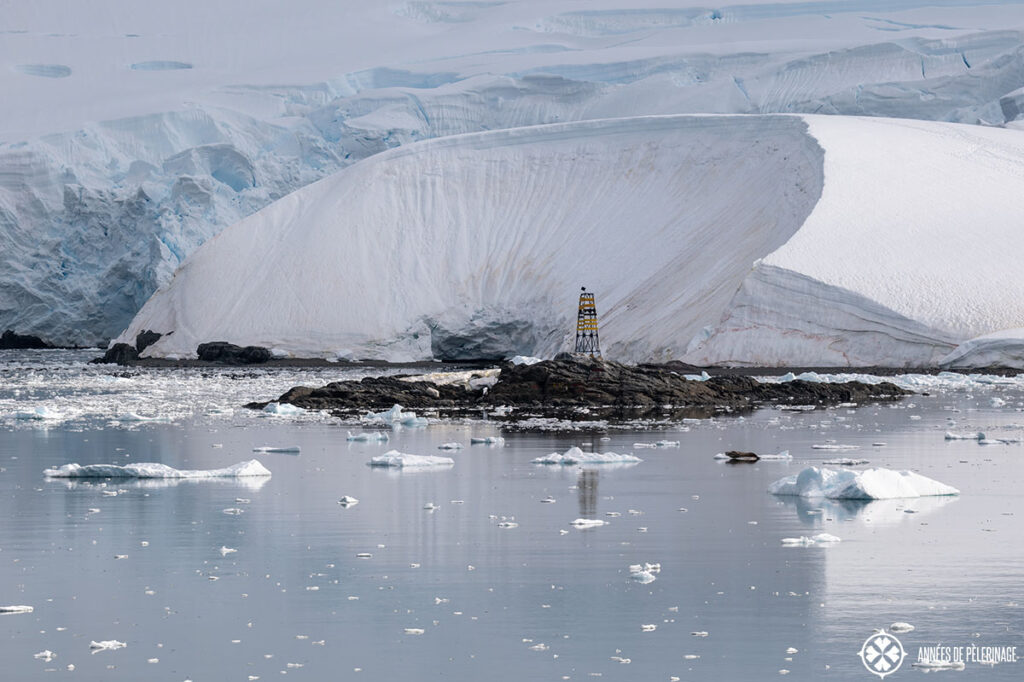
Remember how they taught you in school that around 70% of the fresh water on this planet is locked in the Antarctic ice shelves? Well, if you take a look at any globe, see that puny little white spot at the very bottom, it feels almost like a lie. Like you were right on the cusp of proving a conspiracy theory right. Well, let me tell you. Once you see those giant glaciers, those miles and miles of ice cliffs towering upon a continent you barely get to see, you will understand.
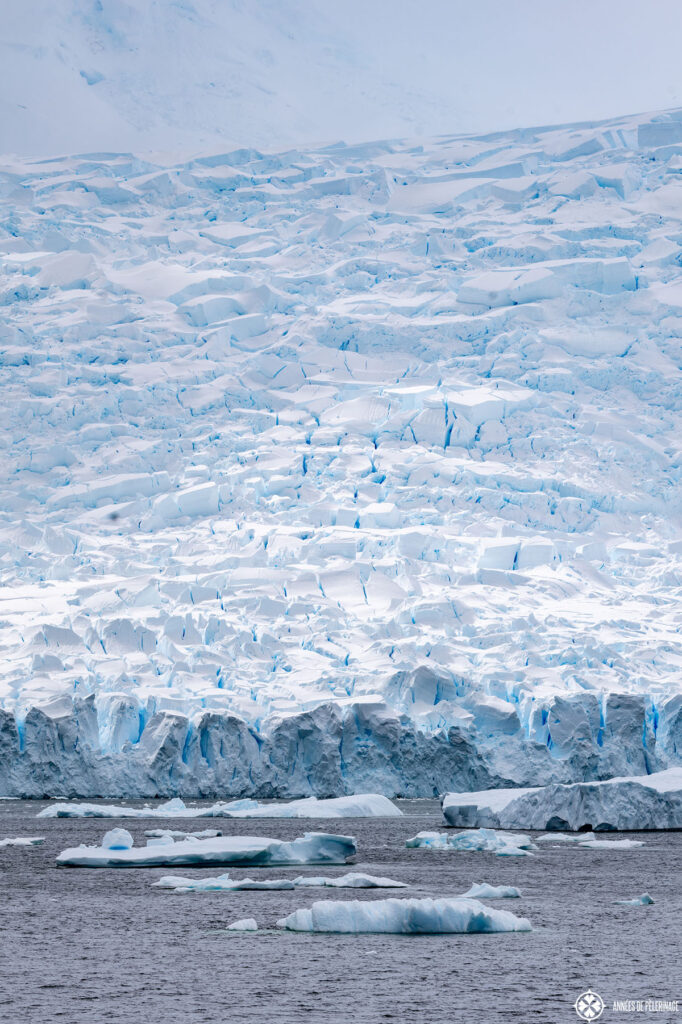
For me personally, this was possibly the most humbling experience. In a way, you embark on this journey to visit Antarctica. To make landfall on the 7th continent. In reality, you’ll spend a week or two on the very outskirts of that inexplicably huge landmass, and ever so often, you see a tiny little spot of rock peeking through. The rest is ice.
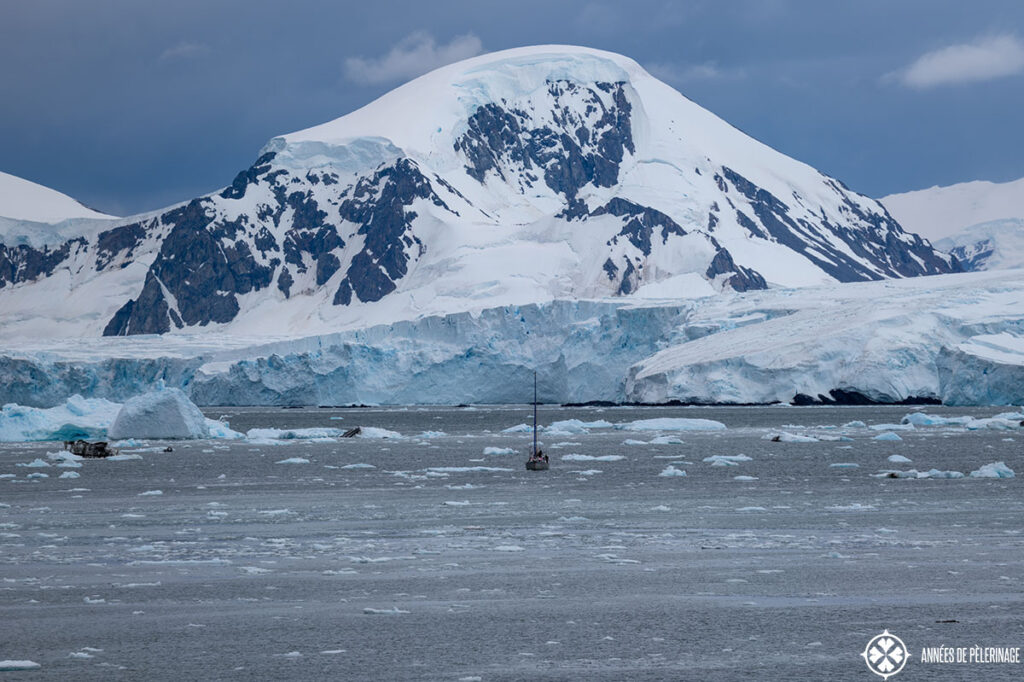
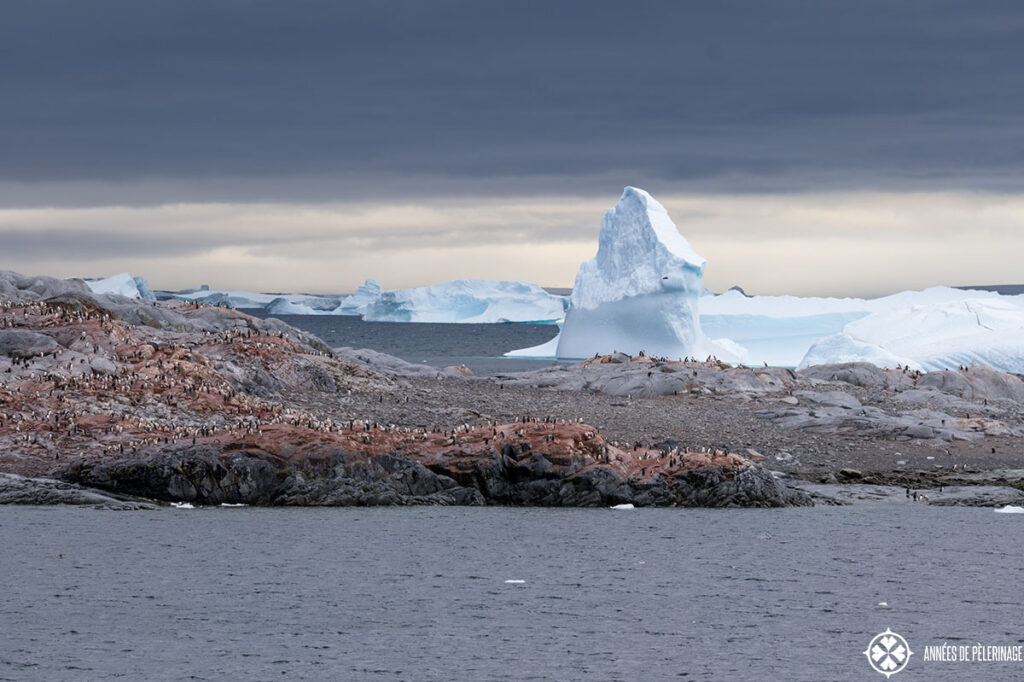
Majestic glaciers that don’t seem to end, icebergs the size of European countries, and water conditions that make you question how people 200 years ago were able to navigate those treacherous channels, barely open a couple of weeks per year.
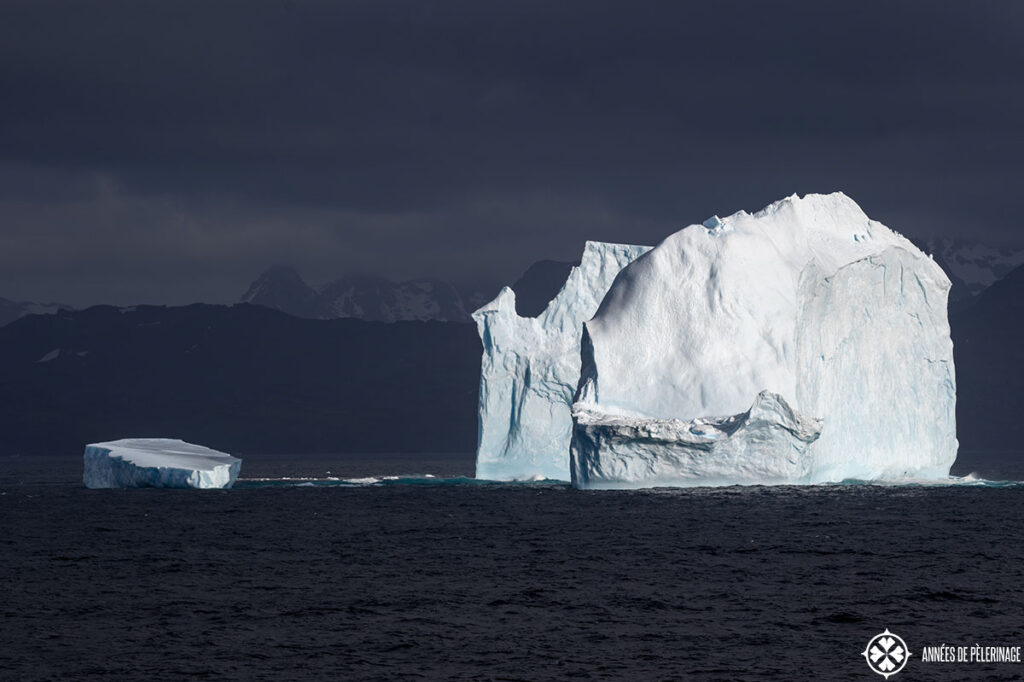
Now, if you have been to Svalbard, Greenland, or Alaska in winter, this will feel somewhat similar. There is, however, one major difference: The sheer abundance of wildlife. The snow wastes of the north are more or less devoid of life. I remember how we spent two full days looking for polar bears on Spitzbergen, and the only other animal we saw during that time was some white bird that blended so well with its surroundings it took our guide 10 attempts to show it to me.
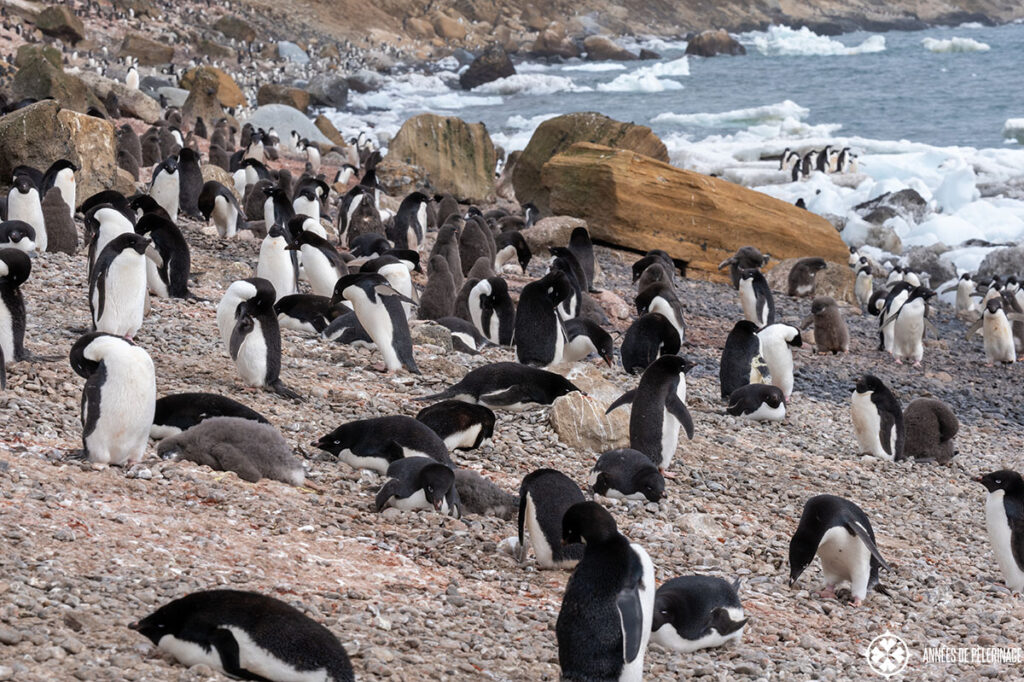
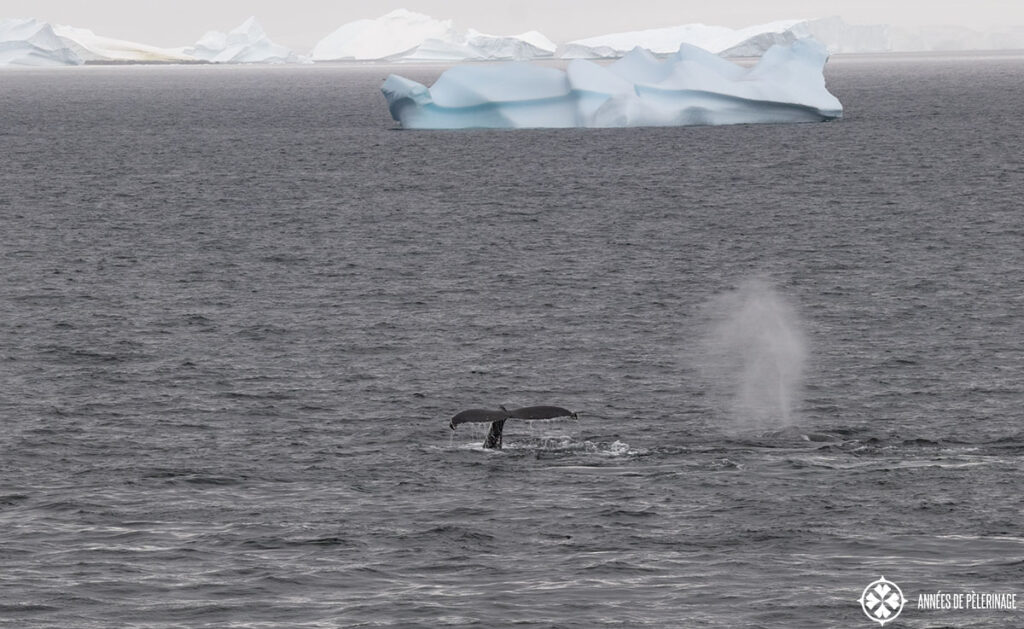
Antarctica, at least during the summer months, is teeming with wildlife. We visited in January, and there were so many whales that, by the end of our cruise, the captain only called them out when it was either an exceptionally large group or a species we hadn’t seen before. I think I once counted well over 20 humpback whales just while we ate lunch.
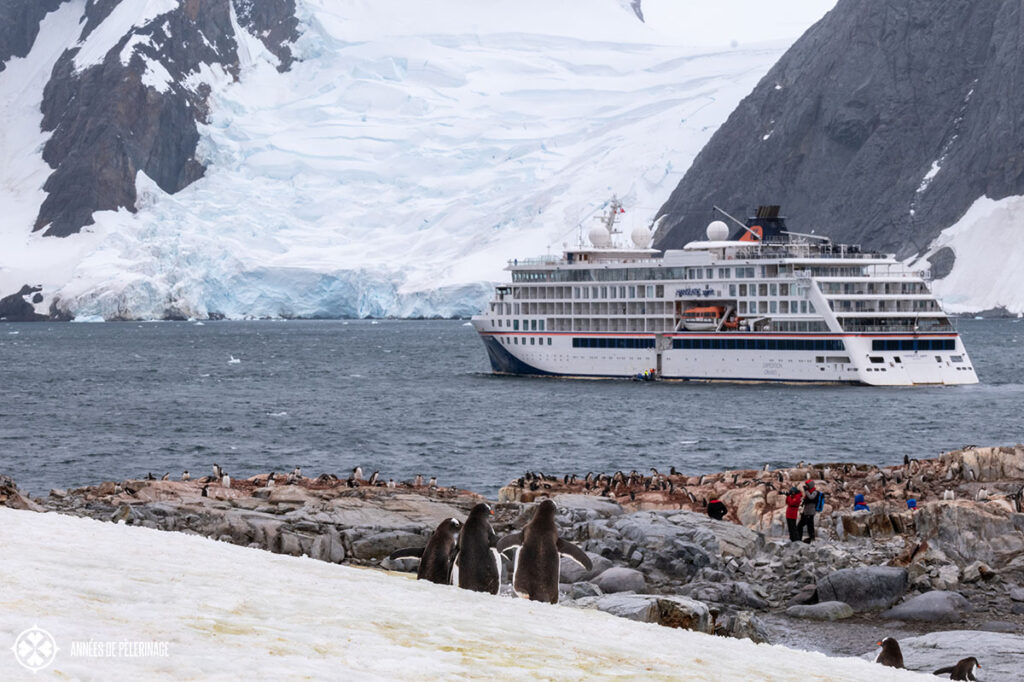
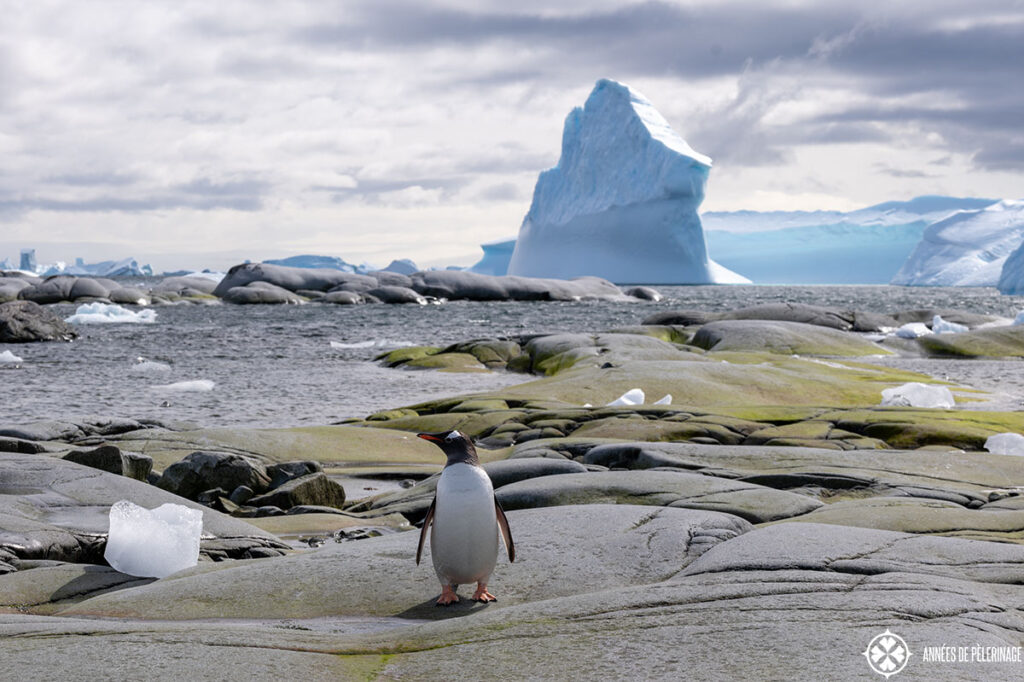
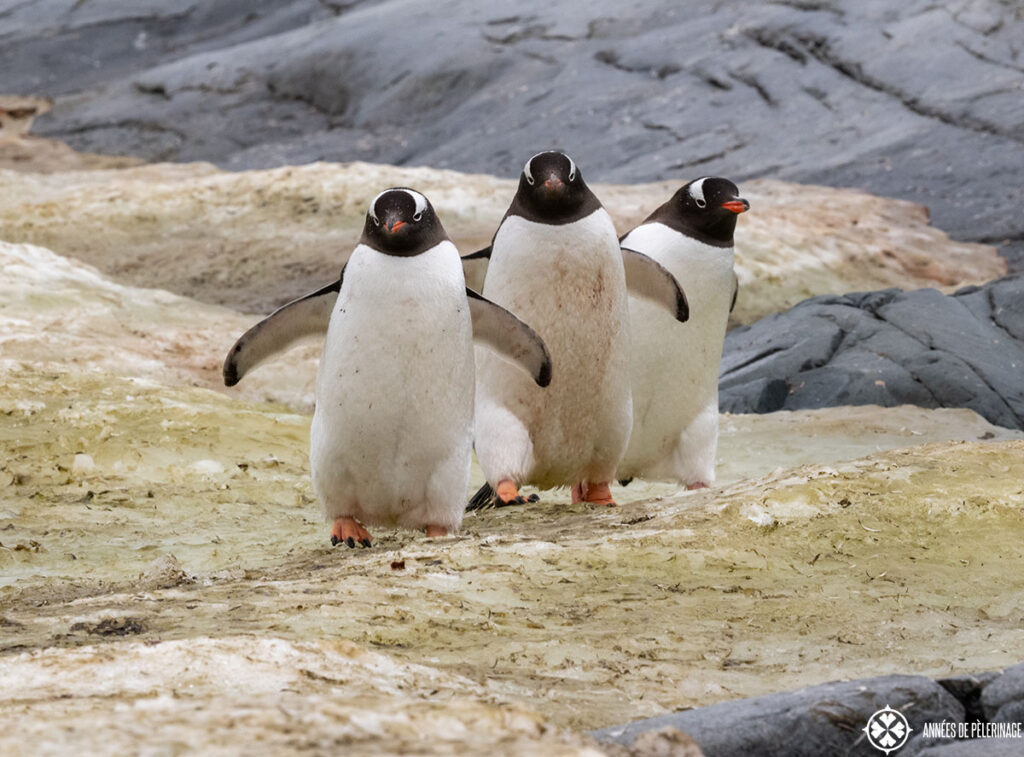
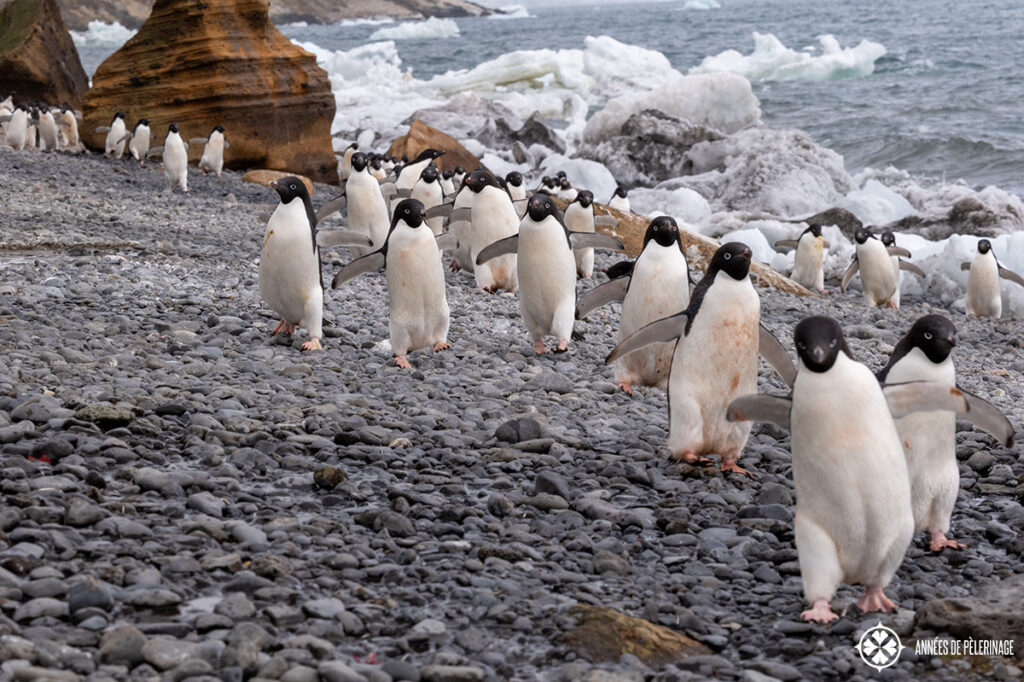
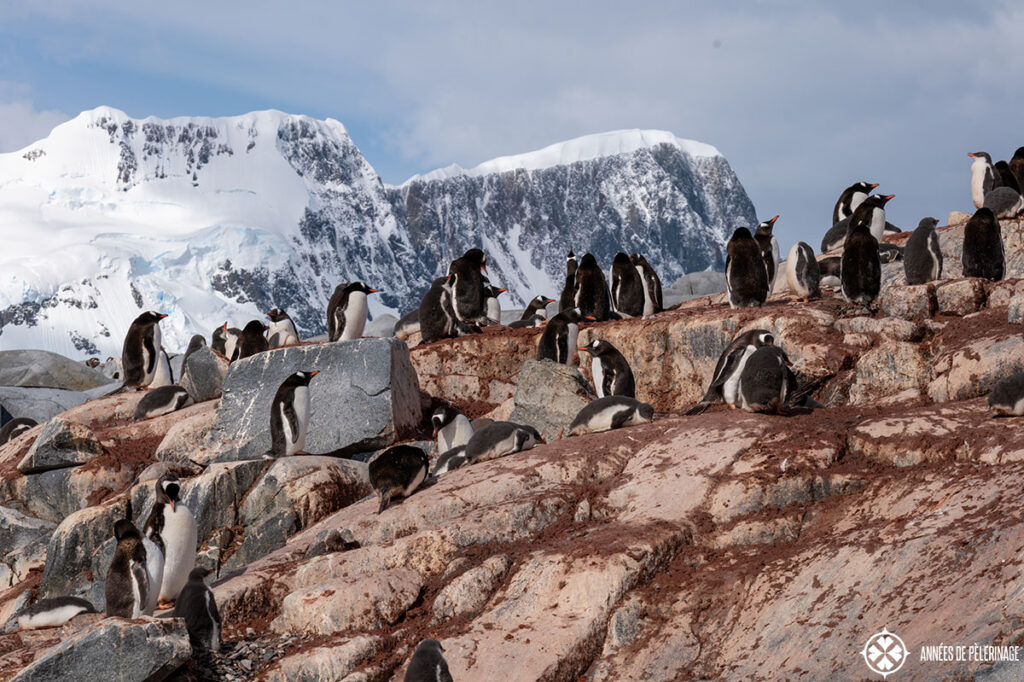
Of course, there are always giant seabirds, like black-browed or wandering albatross, accompanying the ship, and for some, seeing those acrobats of the sky alone are worth the trip. But once you make landfall, and you stand in the middle of a penguin colony with literally tens of thousands of breeding pairs, you will be totally overwhelmed. The noise, the smell, and the sheer cuteness of those clumsy (on land) birds is indescribable.
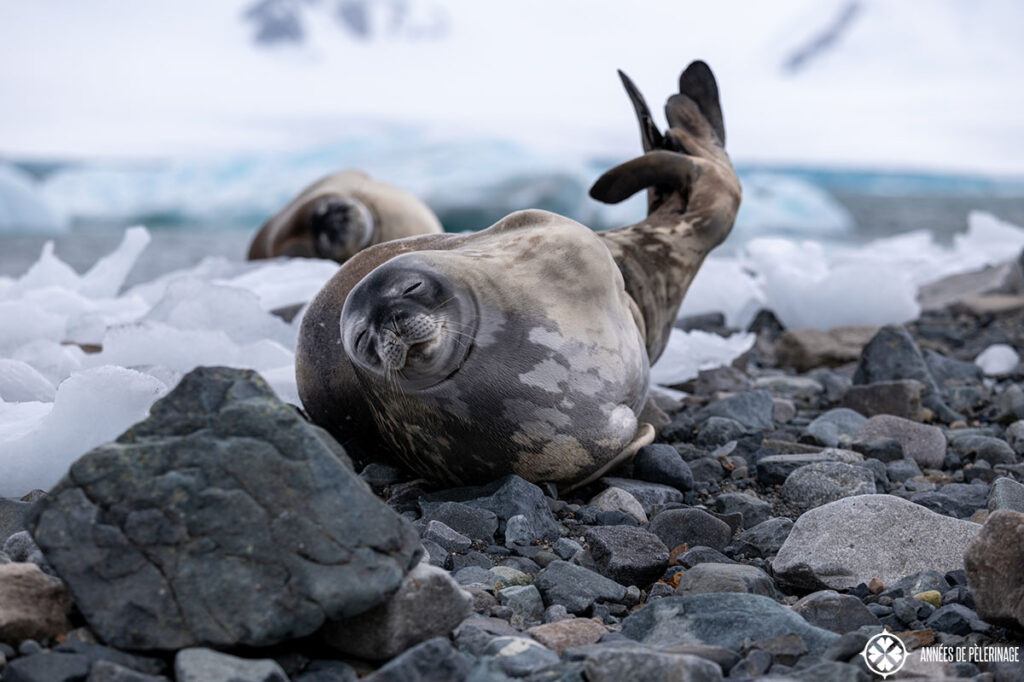
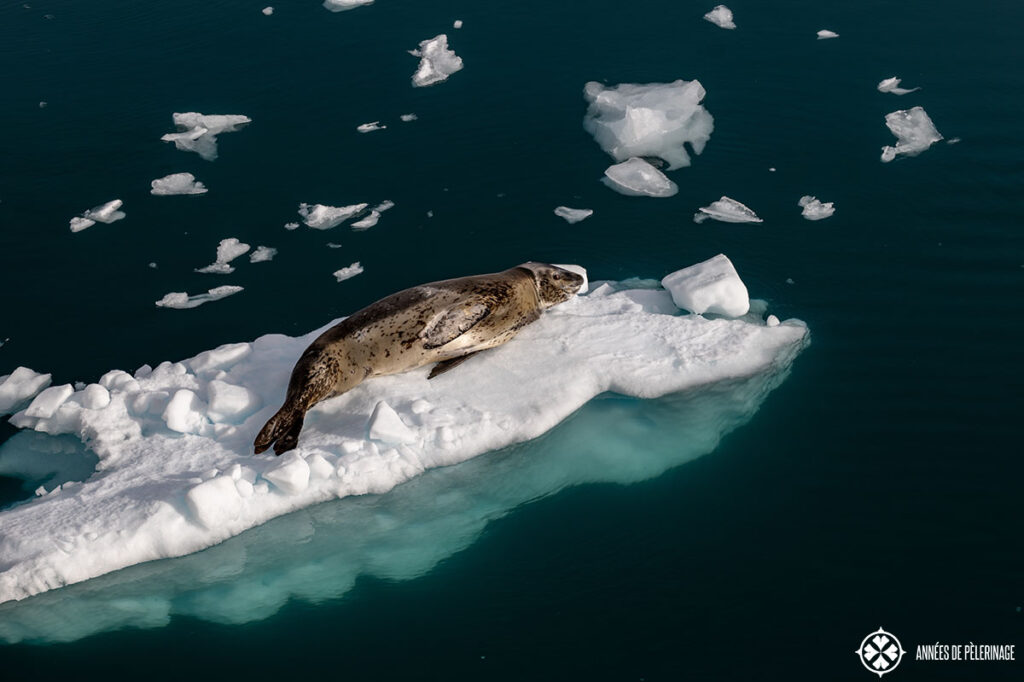
There are also leopard seals and seals aplenty, and the whole trip will feel like one big endorphine rush for any fan of wildlife – especially since you typically get very close to these animals, and they don’t run away. The only thing that comes close is possibly Galapagos, but even in that super special place, the animal density is typically a lot lower.
It’s glorious, and I am more than glad that I was able to experience it.
What to expect on the cruise ship
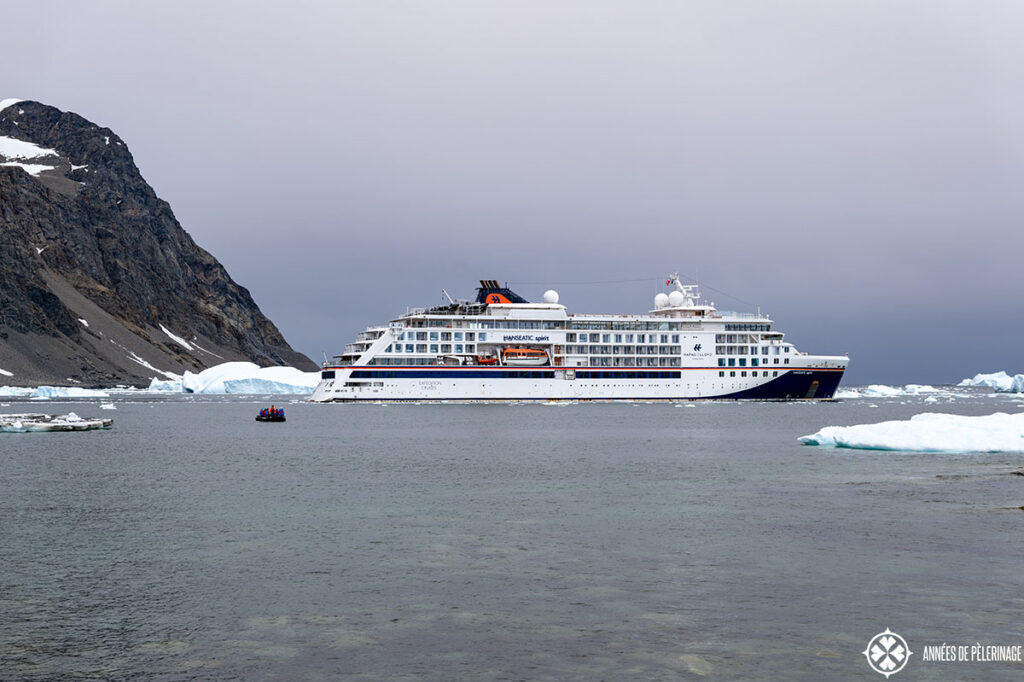
Now, Antarctica is one part of the equation; the second part is the cruise ship. And here is where things get a bit more difficult. First of all, there’s one important thing you absolutely should be aware of. All vessels carrying more than 200 passengers will not be able to make landfall consistently, and if there are more than 500 passengers on board, you will not leave the ship at all.
This is important for multiple reasons.
First of all, small, expedition-style cruise ships will typically not be able to offer the kind of entertainment variety you might be used to from, say, a Mediterranean cruise. There are typically no shows, no water slides, roller coasters, or ice rinks. If you are lucky, there’s a pianist at cocktail hour, a gym, and a heated whirlpool that will be closed 8 out of 10 nights due to the rough sea. Instead of 20 restaurants, there are two, maybe three.
Most ships will offer enrichment talks on selected days, but this will typically not be a daily option, and obviously not everyone’s cup of tea.
I’m specifically mentioning this because most cruises to Antarctica will have quite a lot of days at sea. If you are also visiting South Georgia, you could have as much as 6-10 days of your 21-day cruise where the only thing you get to see is the endless blue. And mark my words, even if the itinerary only mentions 4 or 5 days at sea, quickly shifting weather conditions might mean you won’t be able to make landfall even though you were supposed to.
As a result, you need to have a plan. Take books, download a couple of your favorite movies, and bring small board games, but be prepared for all that downtime. I mean, this is not all negative. These small ships are a lot more intimate, and you, if you so desire, will be able to make quick friends among like-minded travellers in a way that will not be possible on modern mega-ships.
(Note: Read my full Antarctica packing list for further details.)
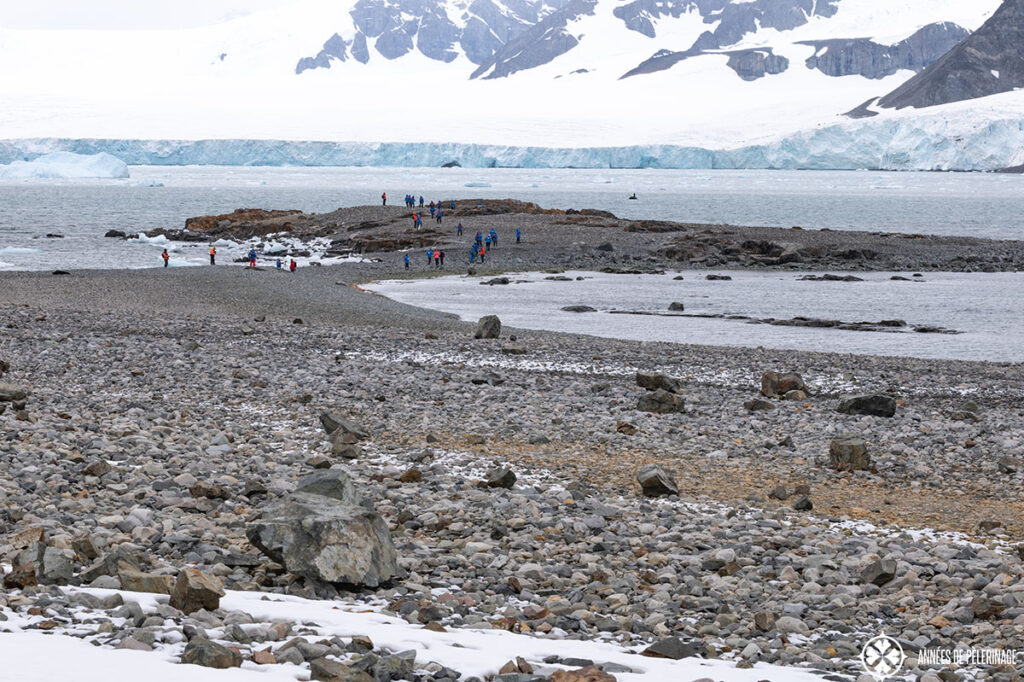
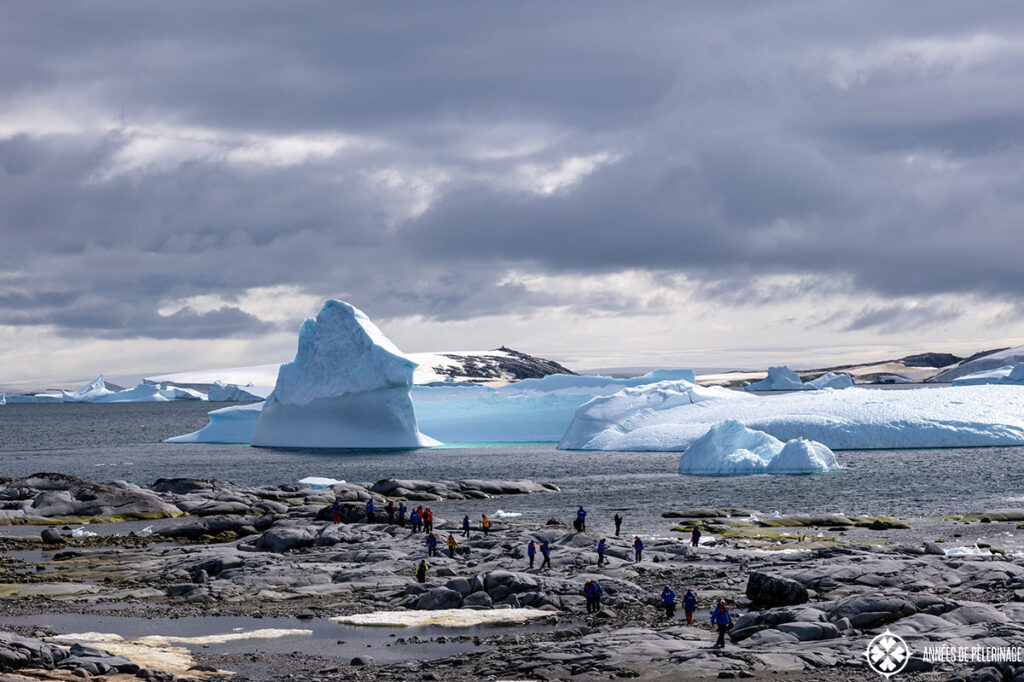
On top of that, be aware that even the smaller ships with 200 passengers will operate in shifts. So, for almost all landing sites on your itinerary, a maximum of 100 people (and this includes the crew) will be allowed on land at the very same time. So, while half of the passengers frolic among the mighty penguin colonies, you are locked up on the ship waiting for your turn, twiddling your thumbs.
As a result, 90% (and I am not exaggerating here) of your time in Antarctica will be downtime. And if you are someone who cannot handle that or is not prepared for that, you will be entirely miserable at the end of the trip.
Now, please don’t be scared. The landscape is downright gorgeous, and I spent many, many hours on deck just watching the mighty cliffs pass by. If the weather is clear, I would even go as far as saying that just watching those small coves and narrow passages and the mighty icebergs gliding by is probably the best part of the whole experience.
In fact, when I first read that some cruises never touch land, I was downright shocked. In hindsight, I can well see how, with the right kind of itinerary, that could still be a lot of fun!
Another thing you have to absolutely need to consider is the fact that – especially on the longer cruises – there will be absolutely no ports to call for three weeks. And beyond the obvious issues with medical emergencies, it also means that fresh produce will become scarce starting in the second week.
You’ll only get to see vegetables and fruit that keep well, and things like salad will start to look very tired by the end of the second week and totally disappear from the menu in the middle of the third week. Now, you will definitely not starve, I can almost guarantee you that. But experienced cruise passengers will definitely notice the stark difference in terms of menu diversity.
Further things to consider
Before you press the “Book now” button, I urge you to go through the itinerary DILIGENTLY. Again, for multiple reasons.
First of all, not all Antarctica cruises are created equal. I already mentioned the 200 passenger hurdle, but there is definitely more to consider. The Drake Passage typically takes two days. So, if you book a short cruise (like 7 – 10 days), you definitely need to do the math on how much time you actually get to spend on the continent.
So, if you want to see the Weddell Sea (home to the Emperor Penguins) or cross the polar circle, this is definitely not going to happen on a short cruise.
Again, I absolutely need to stress that the weather in Antarctica is absolutely unpredictable, and this is the very reason why almost all cruise operators in the region treat the itinerary as a rough suggestion of possibilities; you are almost guaranteed to throw in the bin on the second day of your cruise.
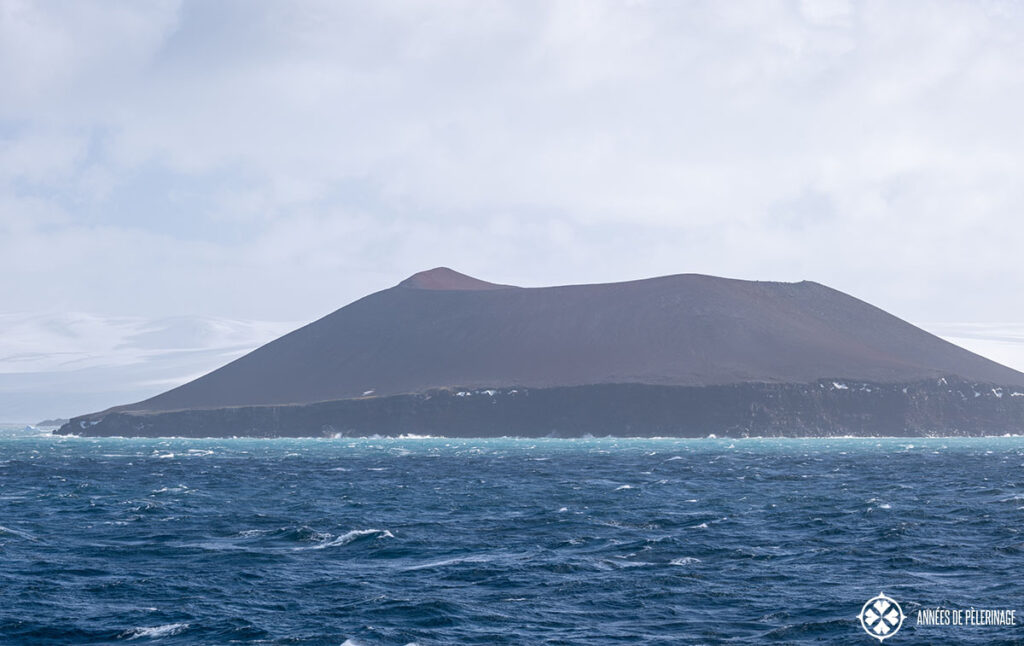
For example, my cruise was meant to be an expedition through the Weddell Sea. But when we arrived at the entrance, the icebergs were so unusually packed that we had to steer away and ended up crossing the polar circle, which was definitely not on our list at all.
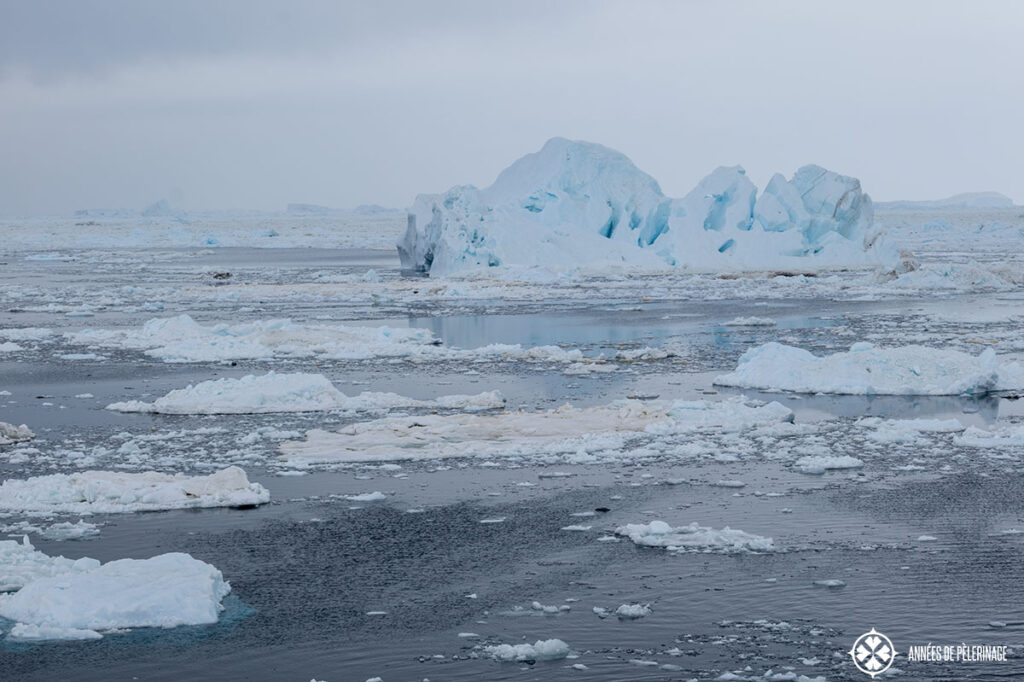
Now, we booked a 22-day cruise on an ultra-luxury ship where the captain had a lot of elbow room. If you are on a short trip, you could be lucky, but bad weather conditions might mean that you need to depart for the Drake Passage one day early and skip one or two landing sites on top of that.
Please also take a look at the seasonal weather patterns. Early or late in the season, the chances for high waves, strong winds, and unnavigable passages are a lot higher. Of course, the wildlife also runs to its own clock. You won’t be able to see Emperor penguins in February (well, maaaaaaybe a single young one in the water), and whales typically do not arrive in droves before the beginning of January either. And on the topic of the Emperor penguins, do your research very well. I guarantee you that, for 90% of all travelers, it’s in their very best interest to ditch the idea of seeing them.
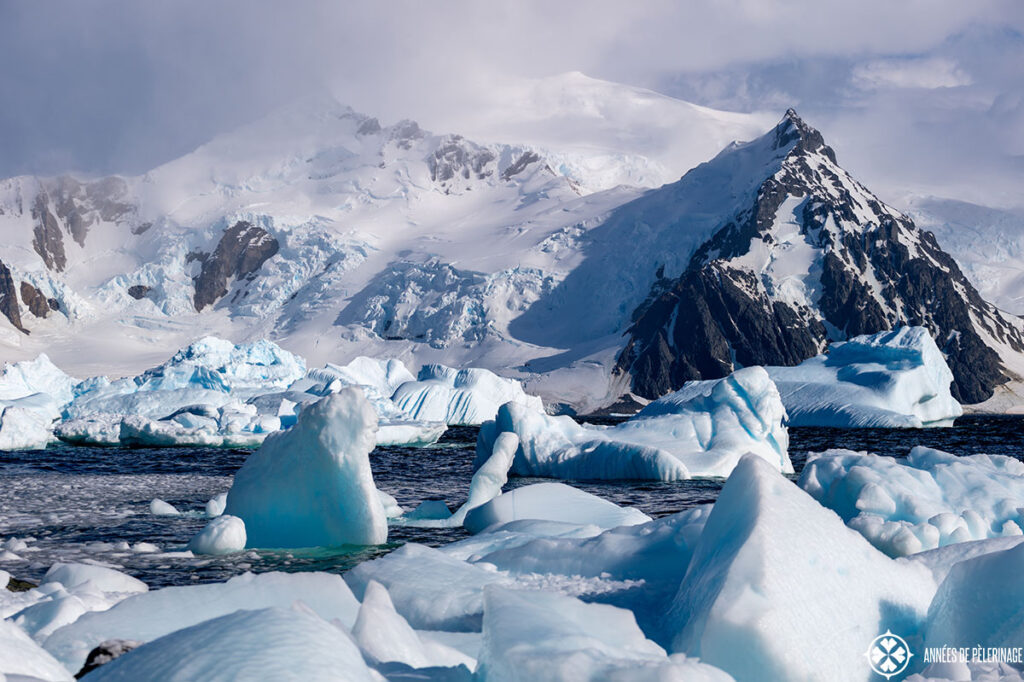
I was one of you. I wanted to see them. Desperately. But the few operators that offer itineraries to Snow Hill Mountain will depart at the very beginning of the season (for obvious reasons), and this means that you will basically see nothing else in terms of the wildlife (whales and other penguins simply have not arrived yet), while the chance for actually seeing an Emperor penguin is maybe 20 percent – even if the ship has helicopters.
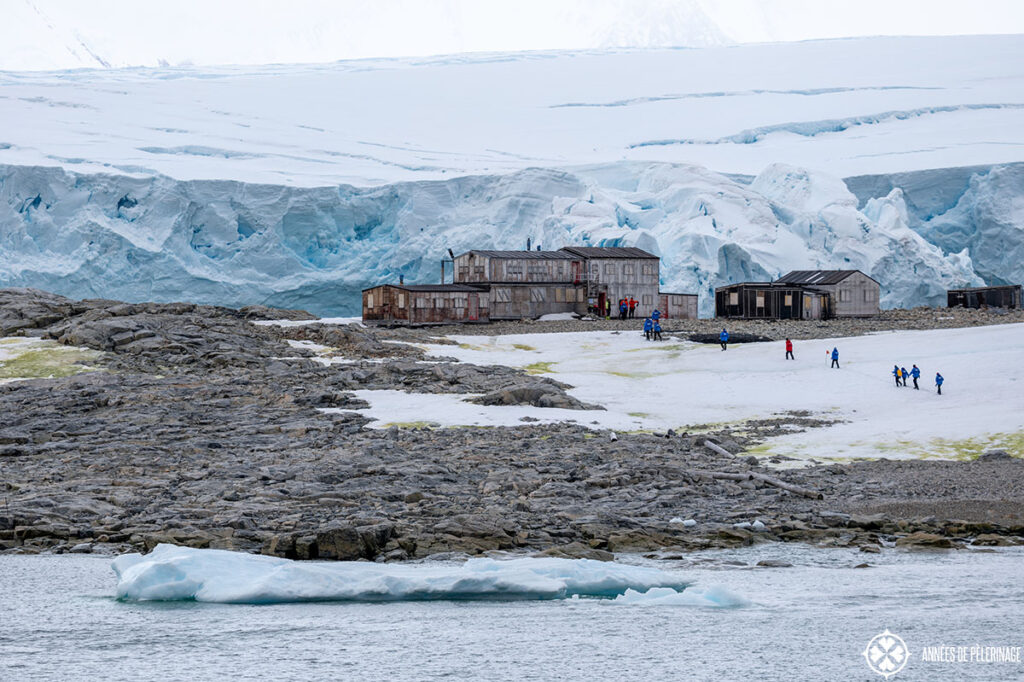
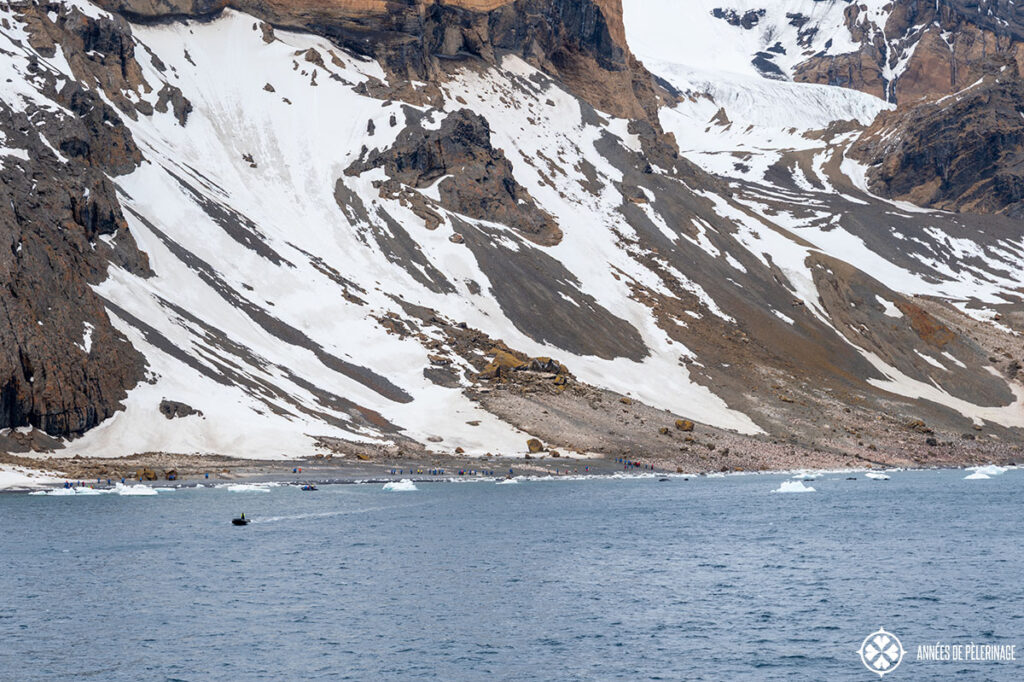
You also need to be aware that the topography of Antarctica is challenging. There are only a couple of landing sites on the actual continent. Most of them are actually small, ice-free islands a couple of miles off the shore. If you really want to touch Antarctic soil (or maybe even sleep a night on the continent), you should definitely be aware that the shorter your actual time in Antarctica, the less likely it is to happen. And even, you need to be aware that you will typically only ever walk on the soil of the Antarctic Peninsula.
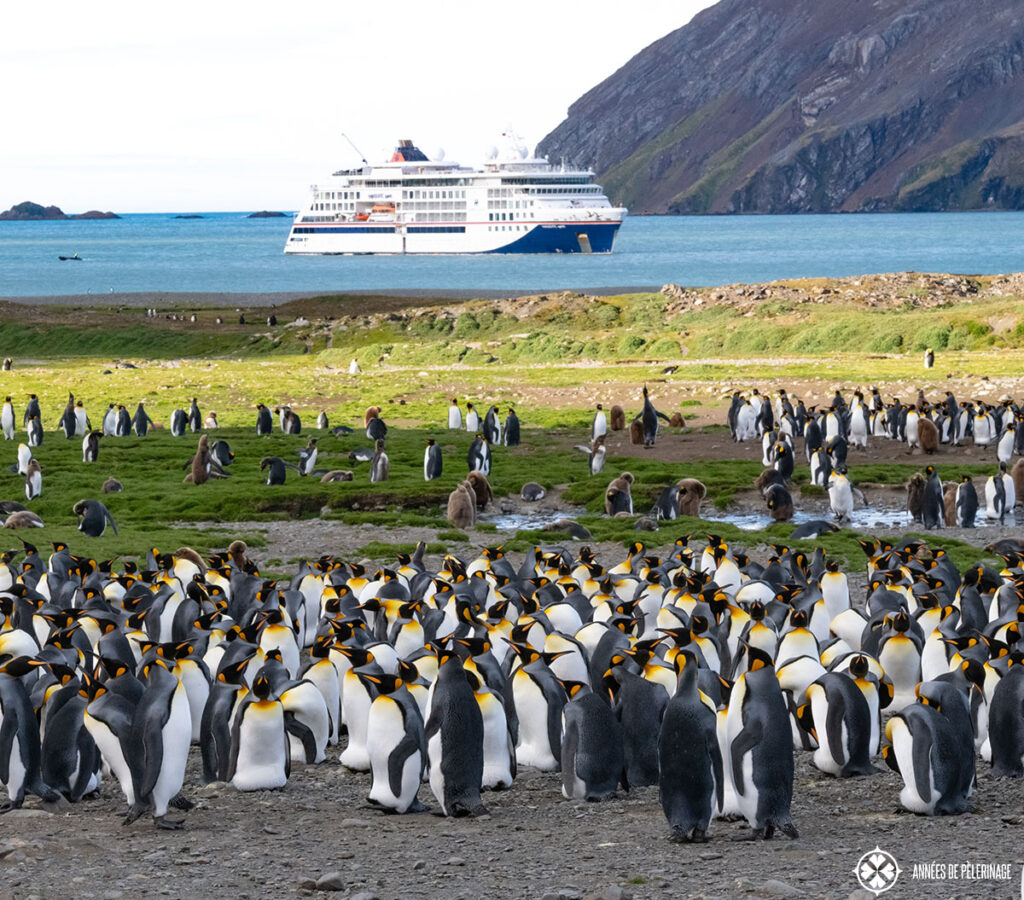
Also, when talking about itineraries, definitely take a look at South Georgia. While there are tons of Penguins on the Antarctic Peninsula, those truly humongous King Penguin colonies with hundreds of thousands of birds are exclusive to South Georgia. I wouldn’t want to have missed that bit, and, money and time permitting, I would definitely look at cruises that visit both places. To be quite blunt, it’s cheaper to add that week to your existing cruise than flying in twice. Especially since that second cruise might never happen to begin with.
Another thing I absolutely need to highlight has to do with the average age on board. Now, please don’t accuse me of ageism before you read the full paragraph. The typical Antarctica cruise takes a lot of time (it took us, altogether, 4 weeks – transfers included) and is outrageously expensive. These two factors combined mean that the average age onboard will be a lot higher than on almost any other cruise on this planet.
I went with my dad (who is 66), and he definitely lowered the average age by quite a bit. There were literally two other people on the ship my age (and one of them was the captain). I have absolutely nothing against elderly folks, but spending three weeks on a small ship with nobody even remotely my age to talk to was really taxing my limits by the end of the third week. If not for the beautiful landscape and the high price I paid, I would have disembarked early. I am not even joking. I was truly going crazy.
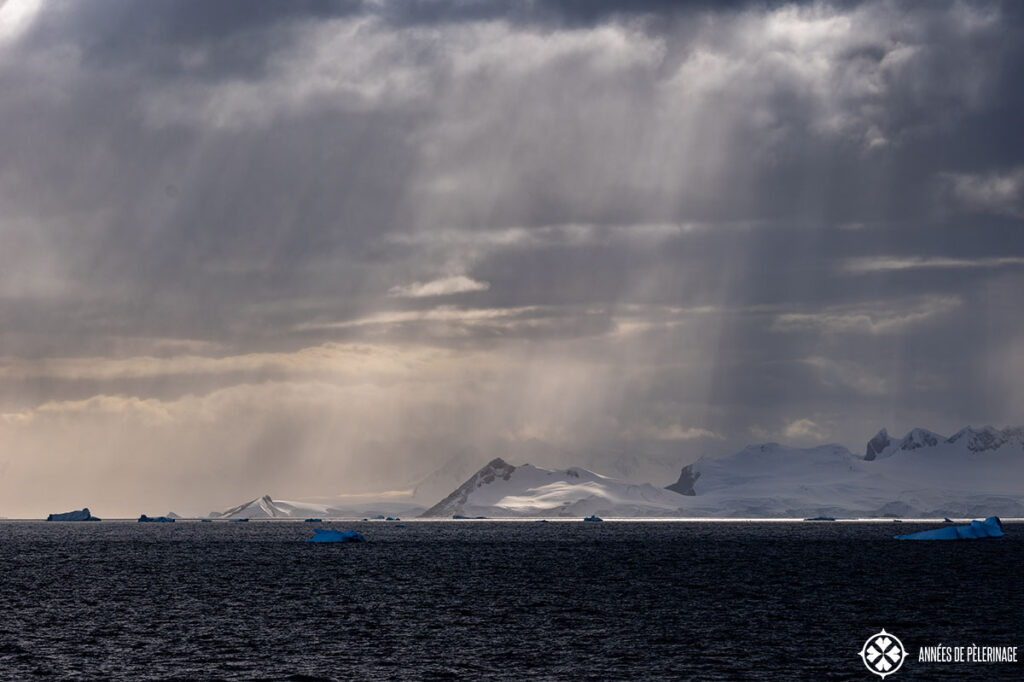
To me, the whole cruise ship felt more like a home for the elderly with all the problems that entails. You know, one week, no problem. Two weeks, doable. But three weeks of surviving on small talk and being patient while watching people being challenged with the simplest things became almost unbearable – especially since 90% of all landings were wet landings on ice, rocky beaches where walkers and walking sticks couldn’t feasibly be used to exit the craft.
See, I am entirely aware that this is a me problem. At the same time, if you are a bit younger yet (and by younger I mean anything below retirement age), this is definitely something you need to be aware of and fine with. For me, it was one of these “never again” situations.
Summary: Is Antarctica worth it?
I have absolutely no regrets about going to Antarctica. For me, it truly was a once-in-a-lifetime experience. The landscapes I saw and the wildlife I experienced are hard to beat. And mind you, I’ve been to every other continent on this planet, and there are not a lot of blank spots left on my globe.
Antarctica is truly unique, and if you’ve seen it all, it will teach you that you truly haven’t.
At the same time, I absolutely cannot ignore the fact that I am not a fan of cruises to begin with. At all. I hated the feeling of being trapped on board. See, on any other trip, I’m the one in charge. I decide when and what to see. Even on your average Mediterranean or Caribbean cruise, you can (within limits) disembark and stroll through a lovely little town whenever you please. The only reason I booked this cruise has to do with the fact that there is no other available option.
In Antarctica, you are trapped on a small vessel 21 hours per day, and there’s not even a long boardwalk where you can go for a stroll in between. Paired with the high average age, the whole cruise side of the experience felt like a nightmare by the end of week three.
Even when you make landfall, it’s not like you can just go and explore. The paths you may take and the time you get to spend at each site are so meticulously planned that it feels closer to a daily walk in prison. Mind you, most of the time you are so in awe of nature’s genius, you don’t notice it – especially if the cruise team has experience in the area. Nevertheless, it’s a stark contrast to the kind of trips I usually go on.
As a result, I would definitely say that an Antarctica cruise is only worth it in two scenarios. A) money simply is no consideration for you, and/or b) you have seen it all. If you think of the money the average 3-week cruise to Antarctica costs, I could think of a looooot of alternatives you could plan with that kind of money.
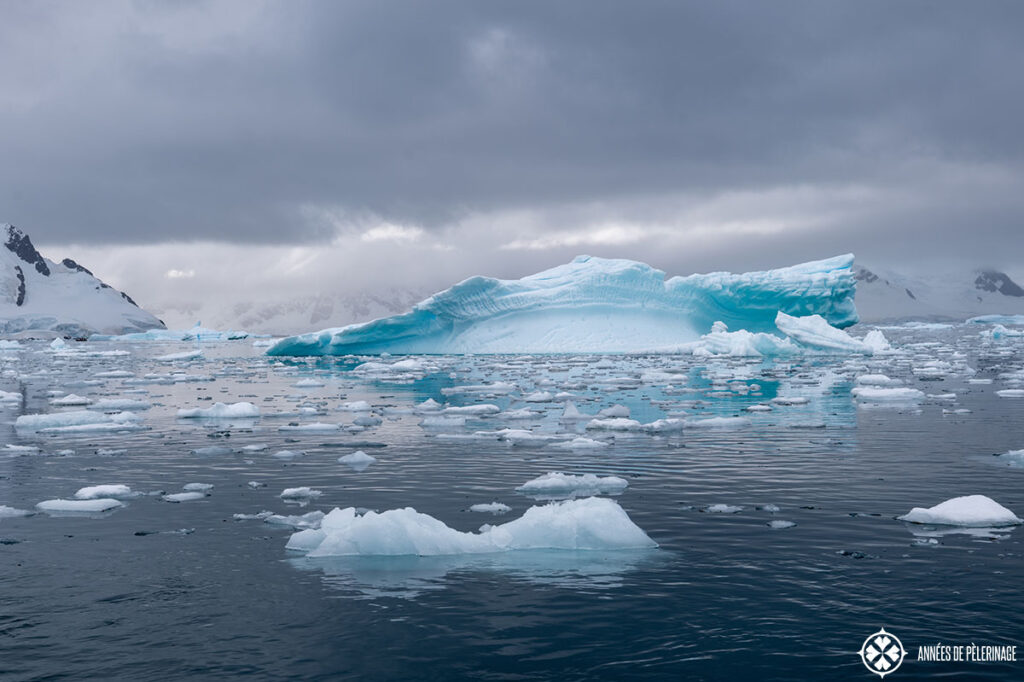
Our cruise, all things included, probably costs 60.000 USD for the two of us. This included first-class flights, transfers, and hotels in Buenos Aires and Ushaia. There are cheaper options, and you could fly coach, but if you want a small cruise ship with proper amenities & facilities, and a decent itinerary with more than just 3 days on the Antarctic Peninsula, you will quickly notice that that price point is actually not going down by a lot.
You could do a 3-month mid-luxury tour through South America, Europe, or Southeast Asia with the same kind of money, and the overall experiences you would have would probably be better. But hey, if you have grown up with stories of Amundson and Scott, your priorities might be different, and that’s okay as well!
Comment below if you have any questions!




First of all, glad to see your posts again! This is timely for me as we are booked on Lindblad for 3 weeks in Feb 2027. We’ve done a few other Lindblad expedition trips and I definitely agree w your assessment especially as a younger person, it can be frustrating to wait for less agile folks getting to/from wet landings. But I’m excited and really looking forward to it because it’s such a special and unique destination! Which company did you go with? Any packing tips?
We went with a german company (Hapag Lloyd). I’ll compile some packing tips. soon.